Research areas
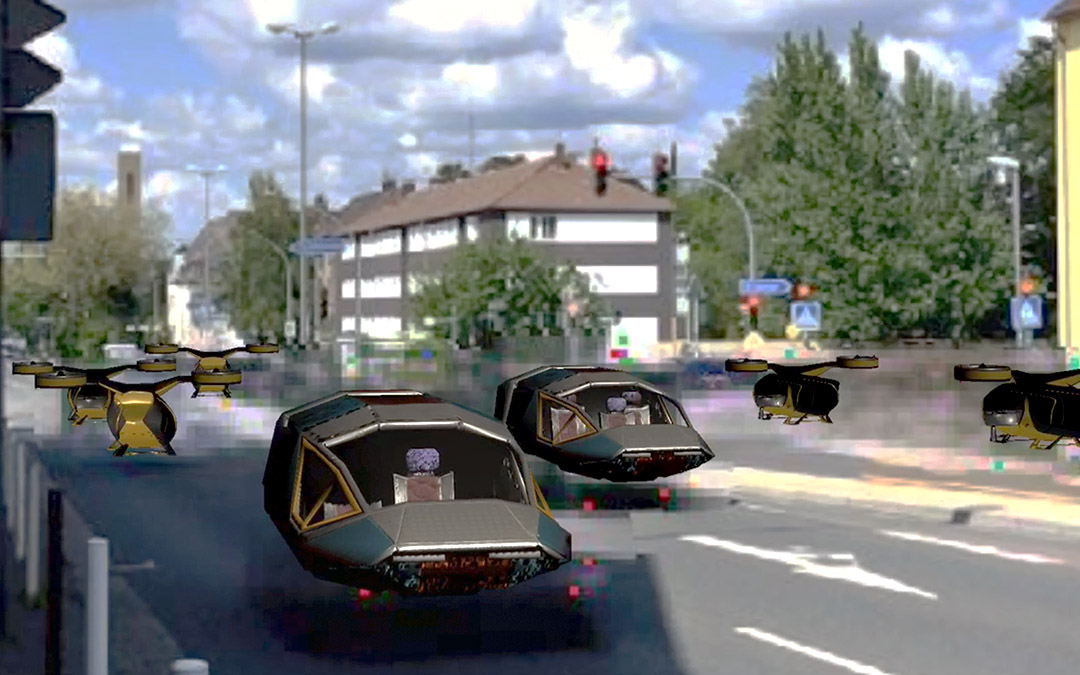
Adaptive XR
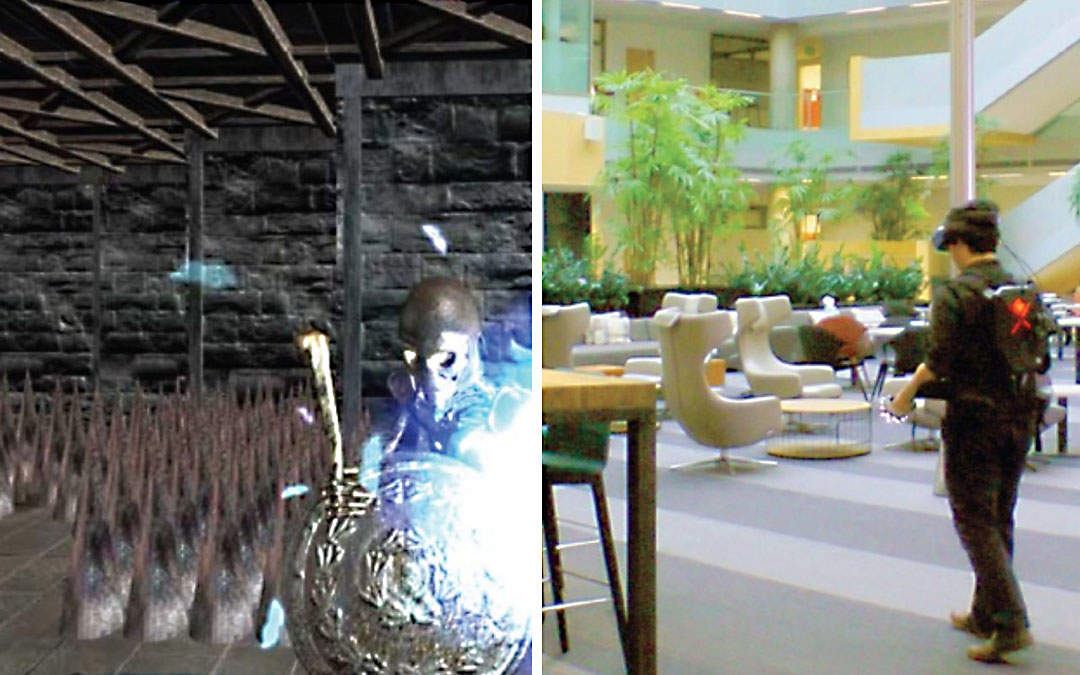
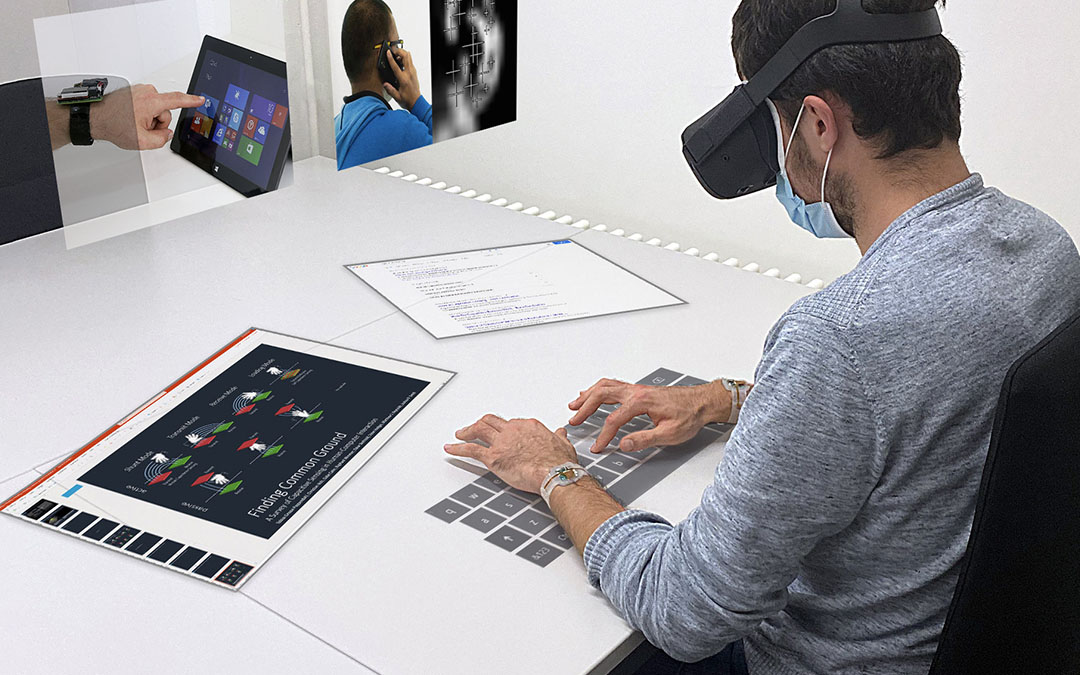
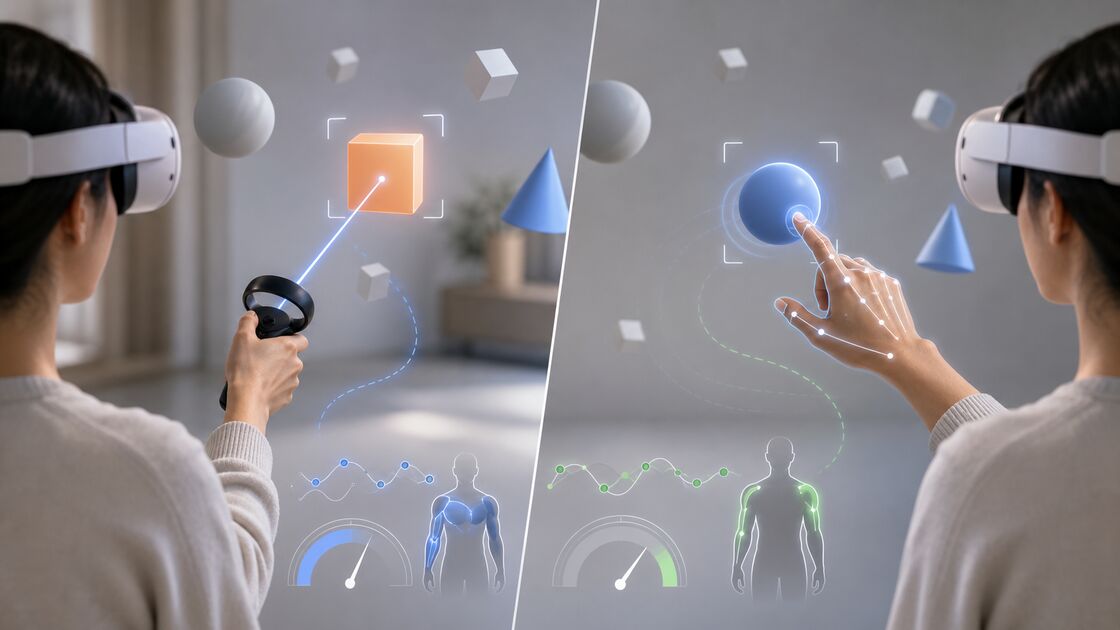
Context-aware mixed reality systems that adapt interfaces, environments, and behavior to users and situations.
AutoOptimization
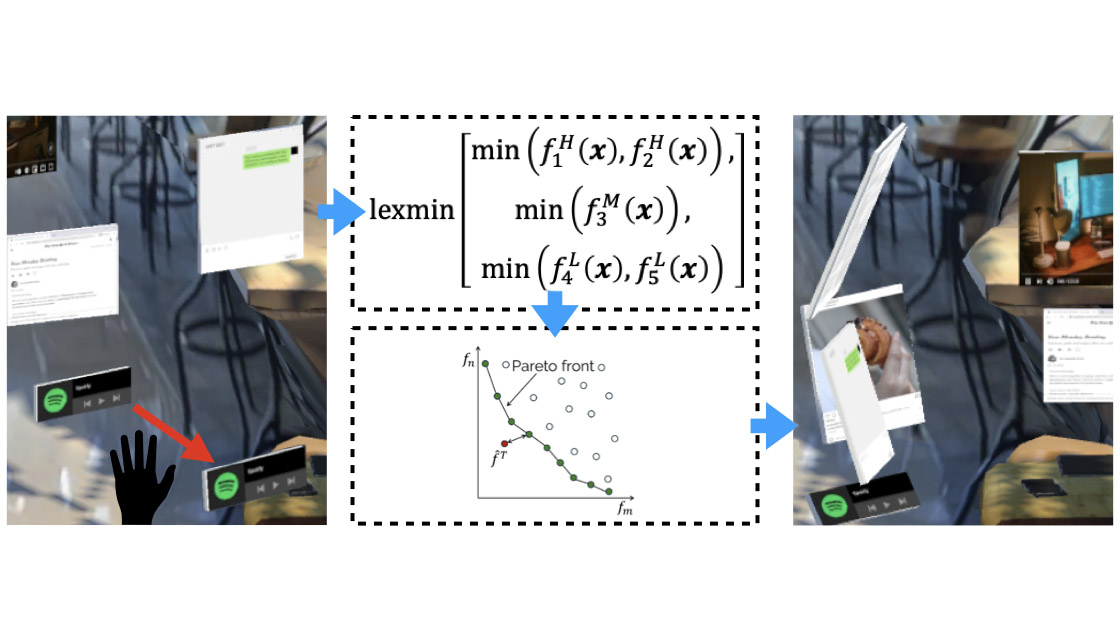
Preference-guided UI Adaptation
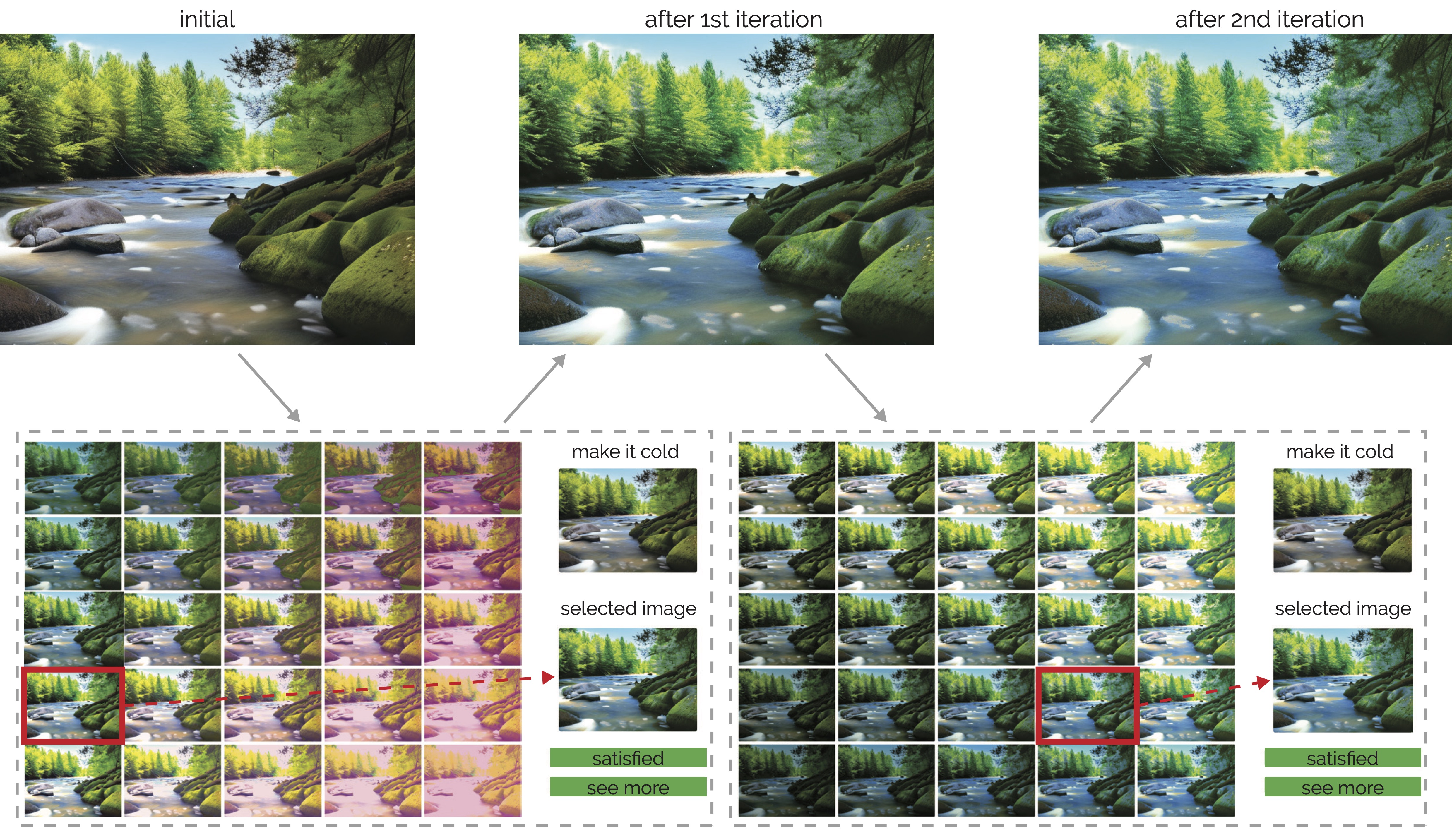
Efficient Visual Appearance Optimization
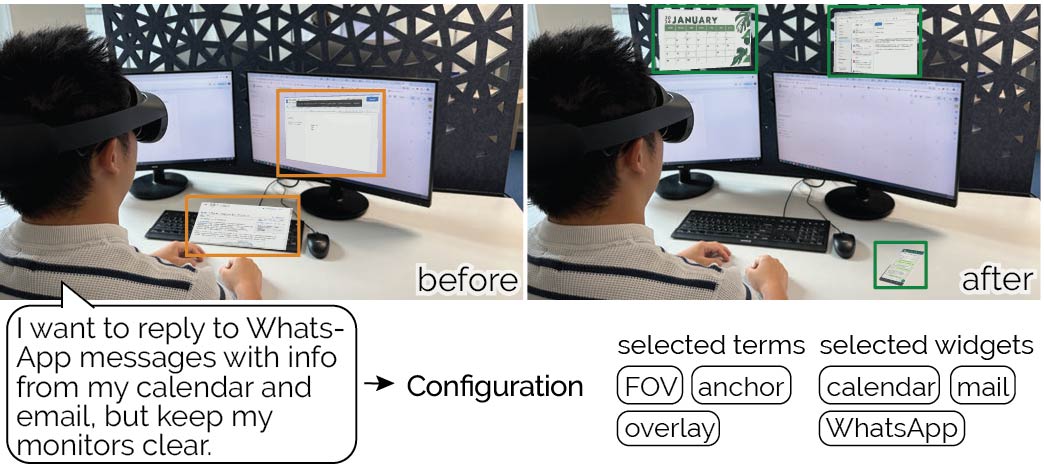
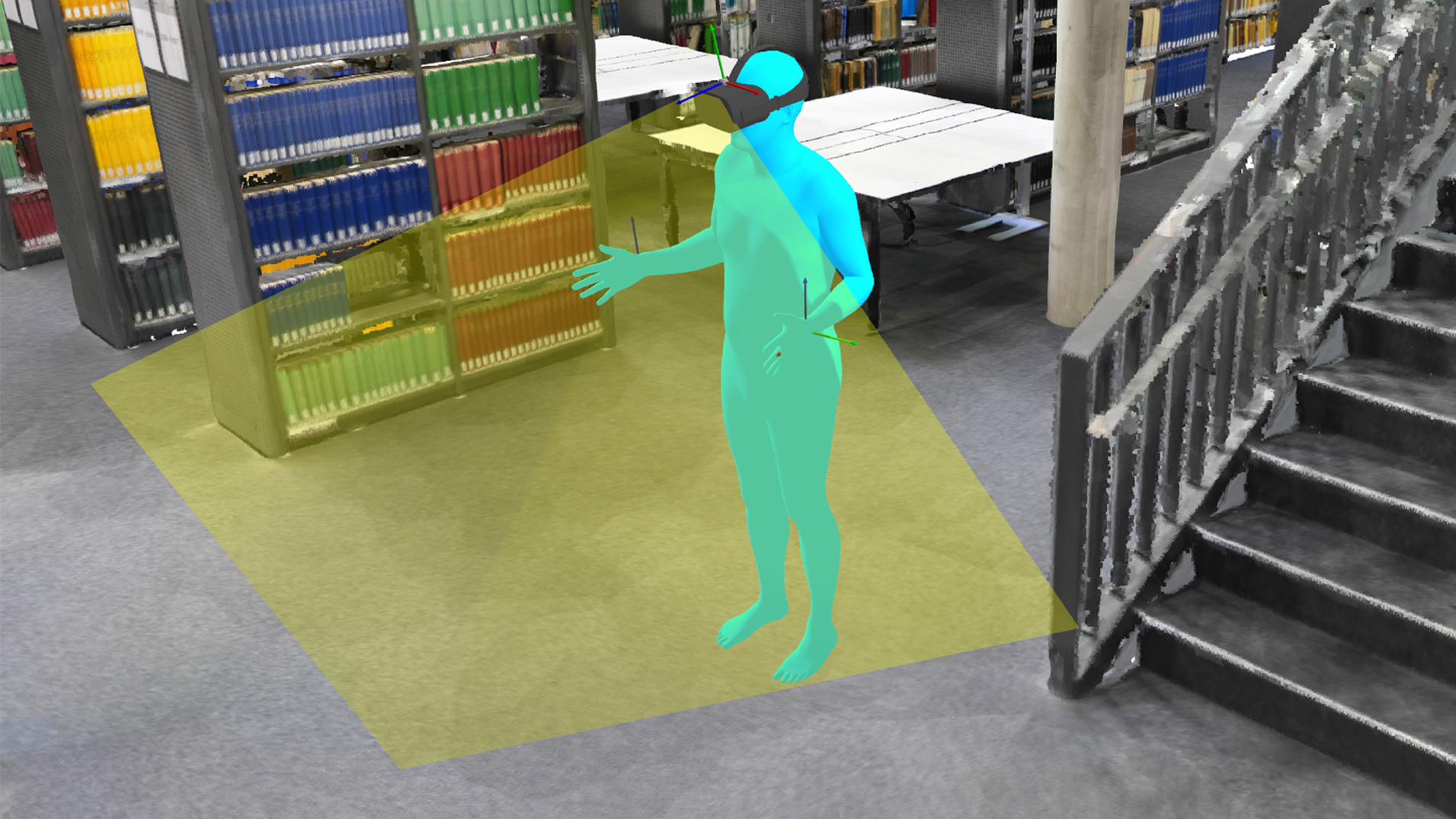
SituationAdapt
InteractionAdapt
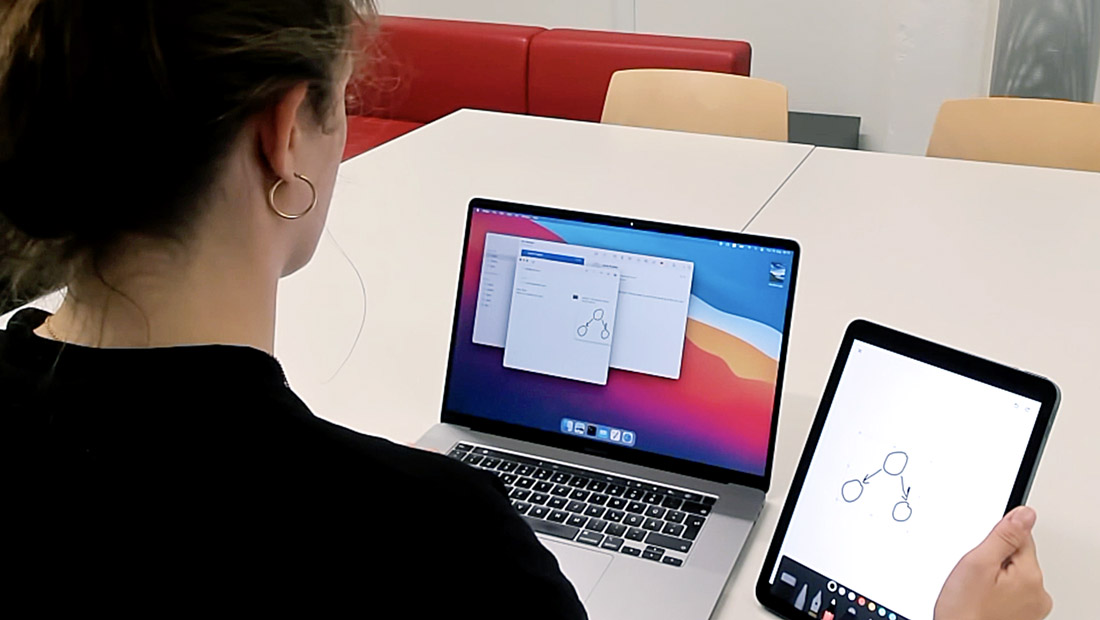
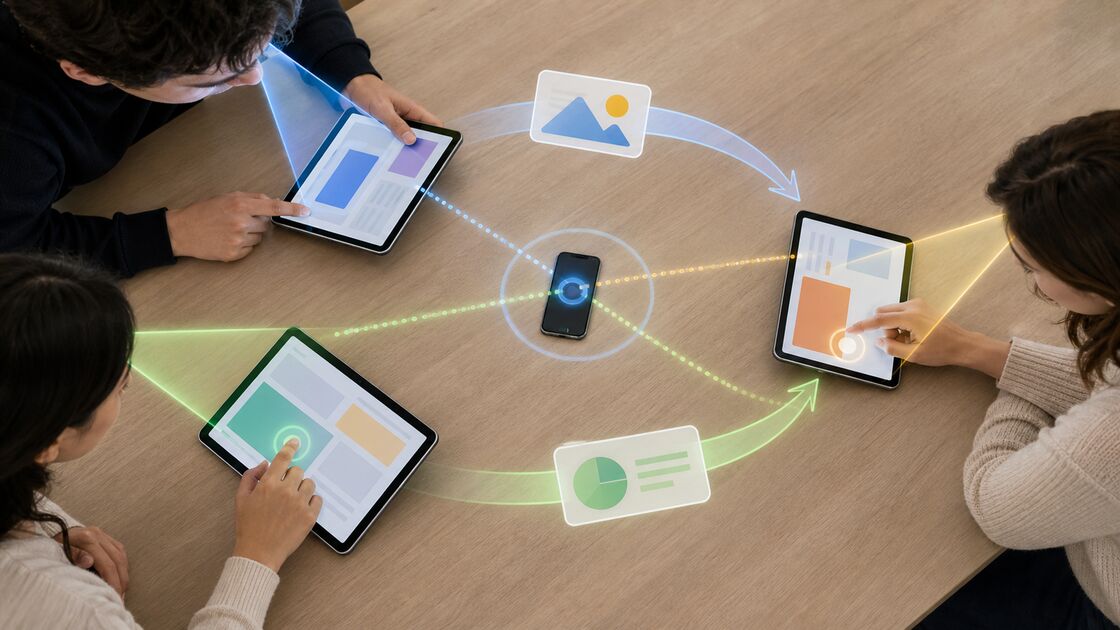
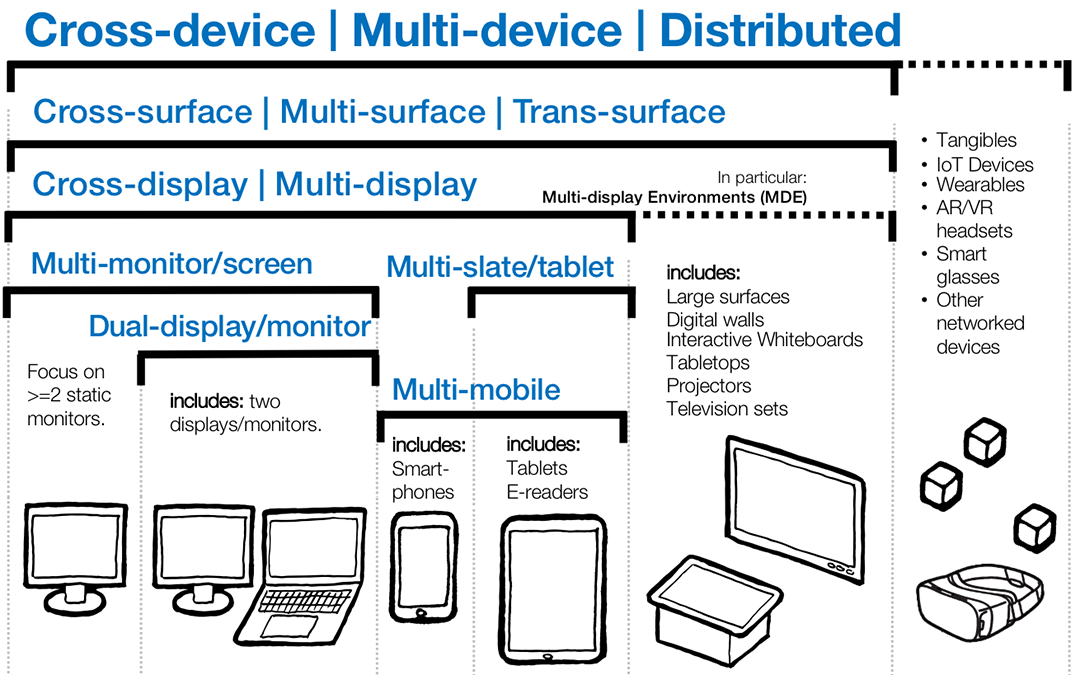
Cross-Device Shortcuts
ViGather
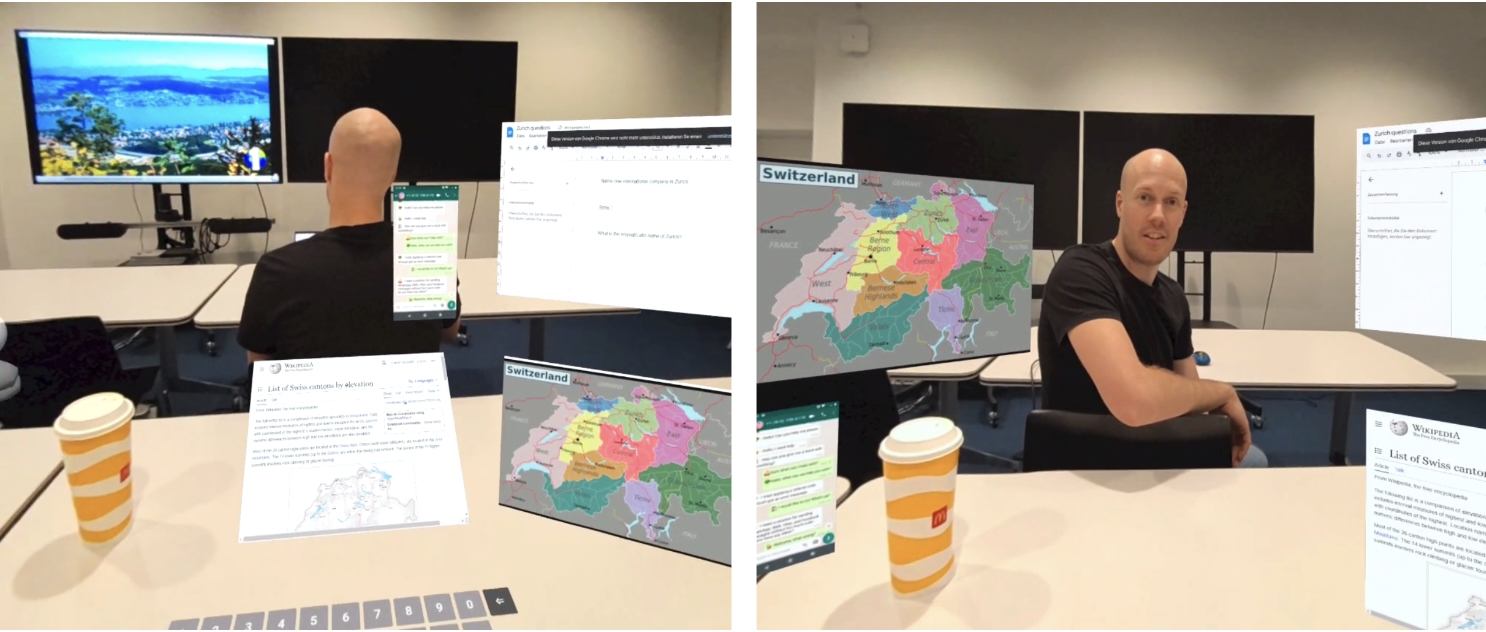
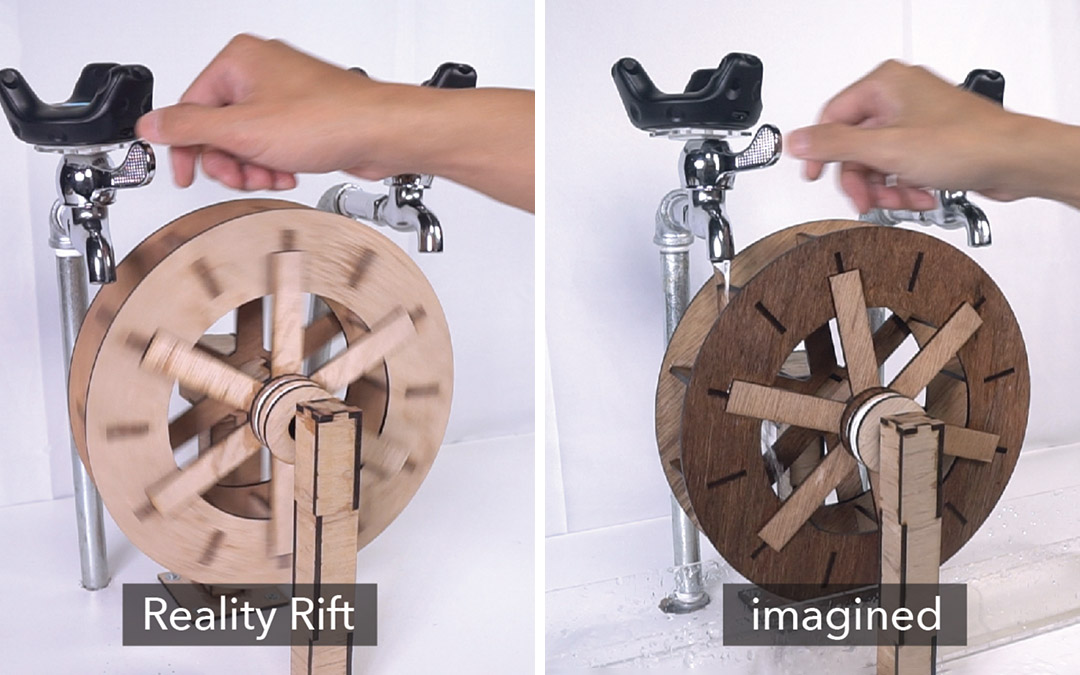
Reality Rifts
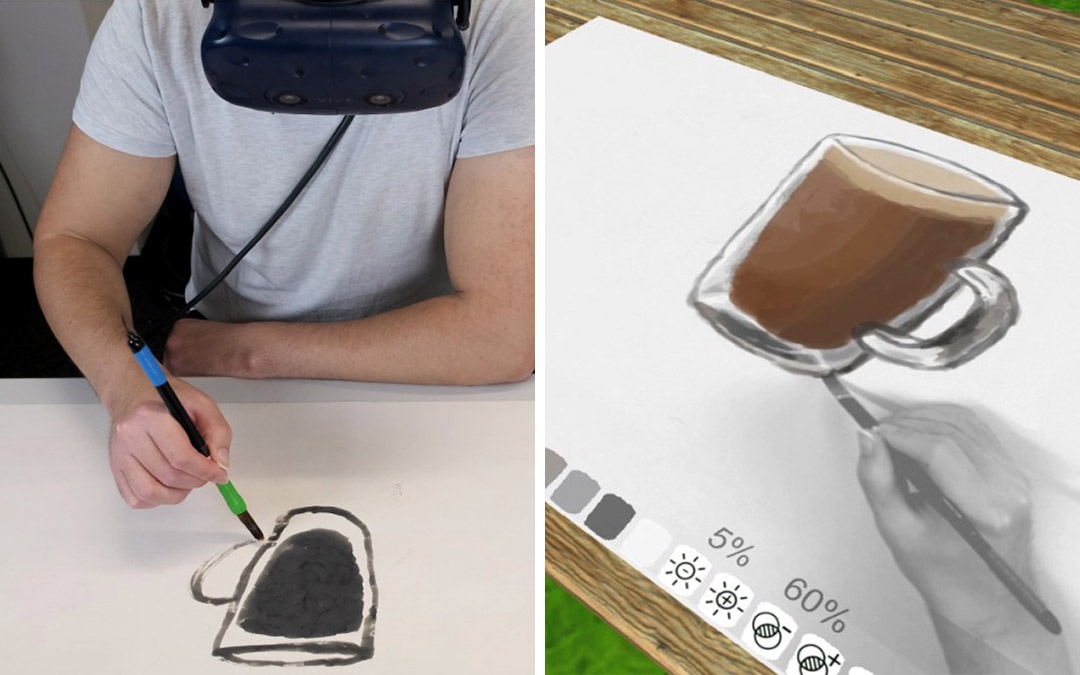
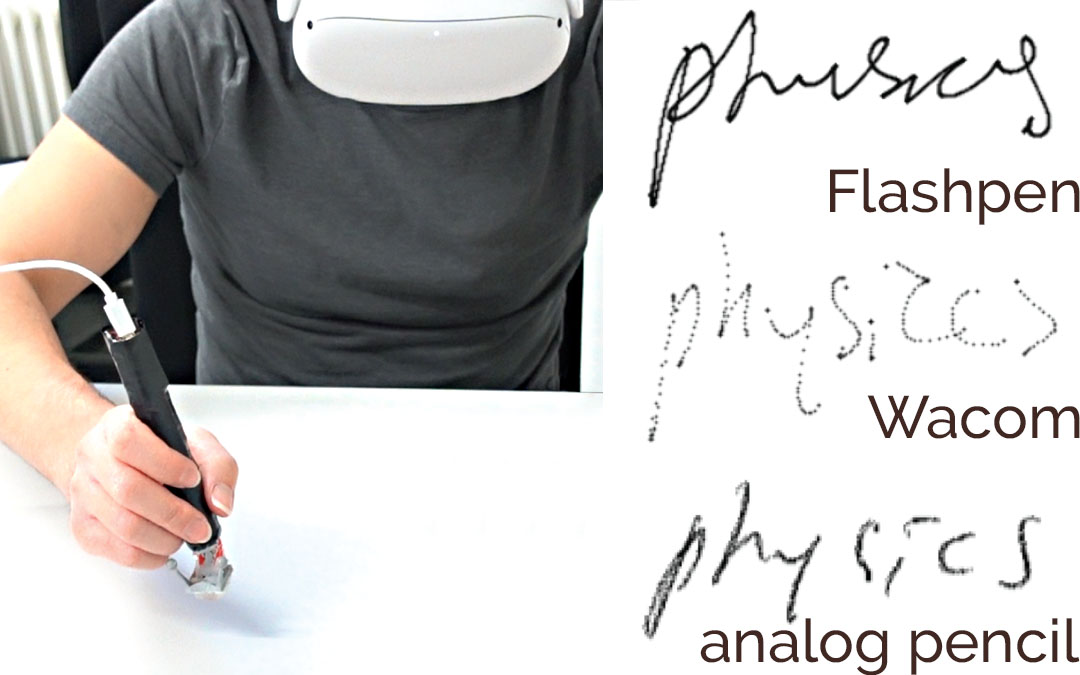
InfinitePaint
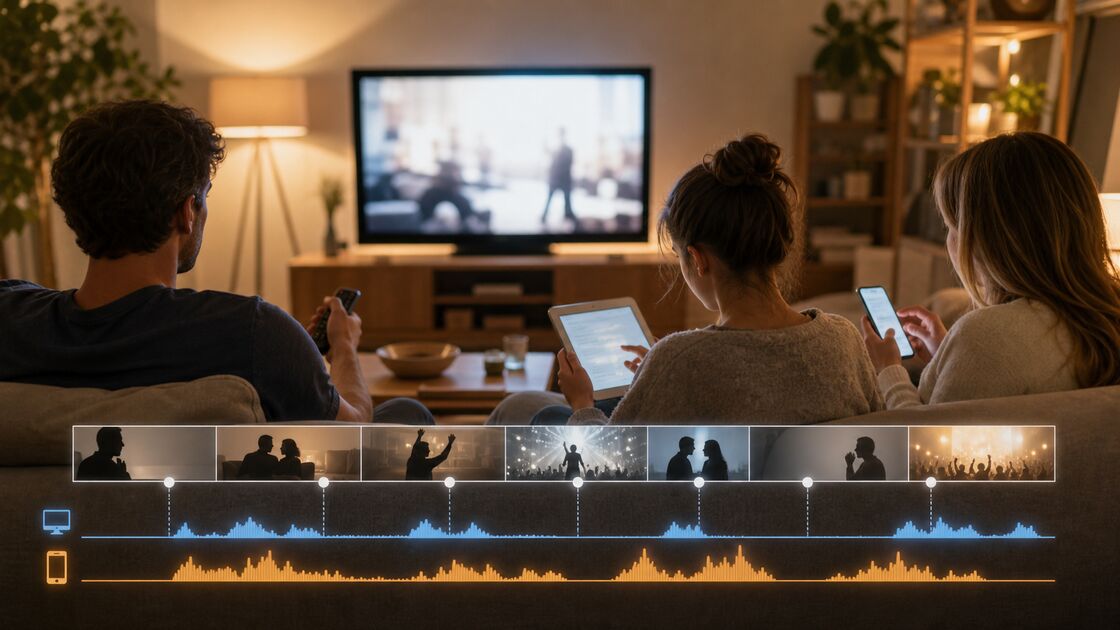
Asynchronous Reality
The Chaotic Behavior of Redirection
SoundsRide
AirConstellations
TransforMR
SurfaceFleet
DreamWalker
Mise-Unseen
SeeingVR
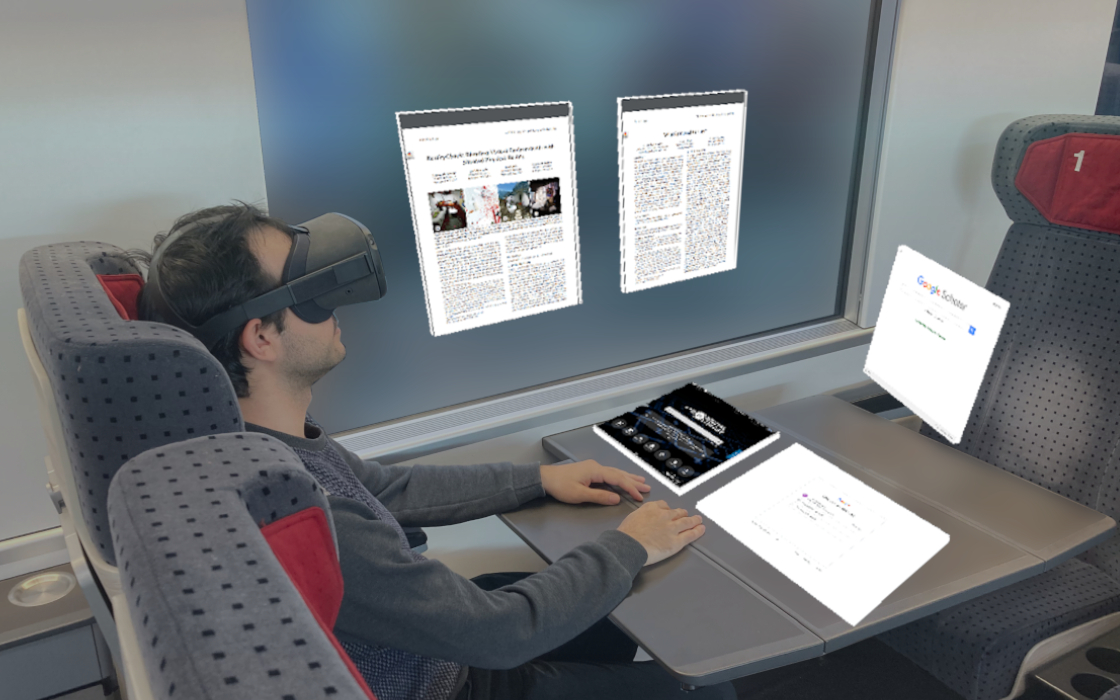
RealityCheck
VRoamer
Sparse Haptic Proxy
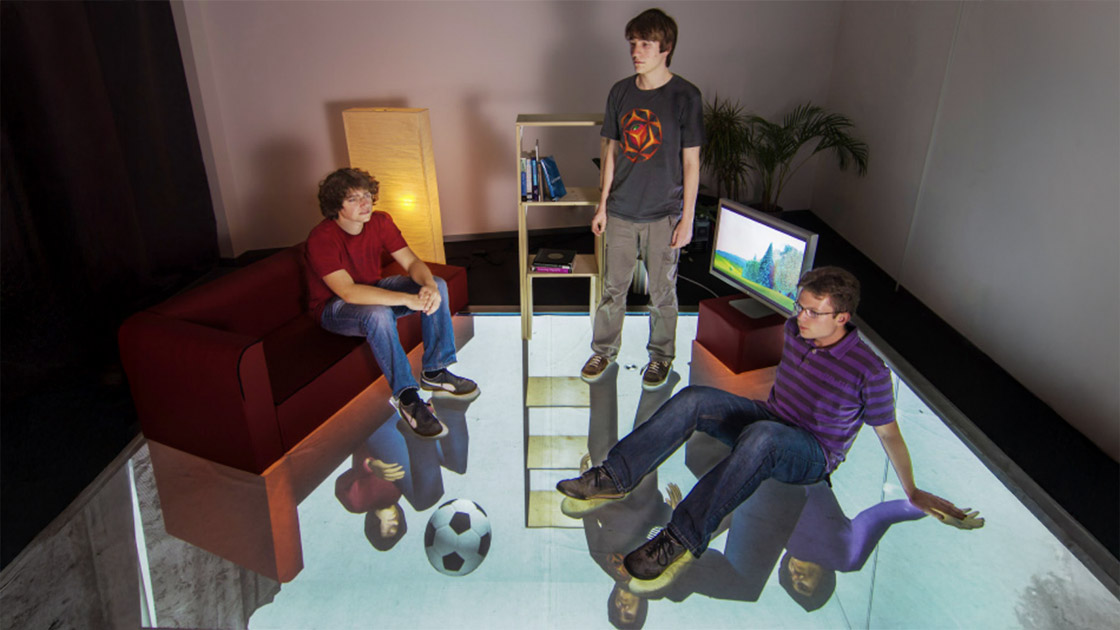
Imaginary Reality Gaming
Imaginary Devices
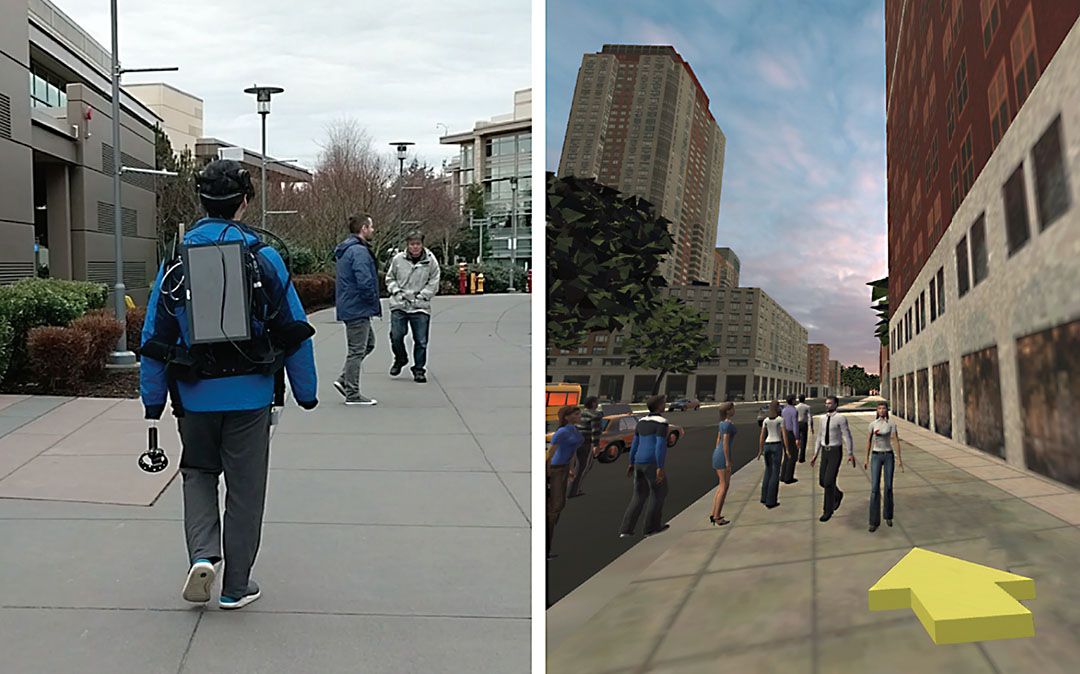
Egocentric perception
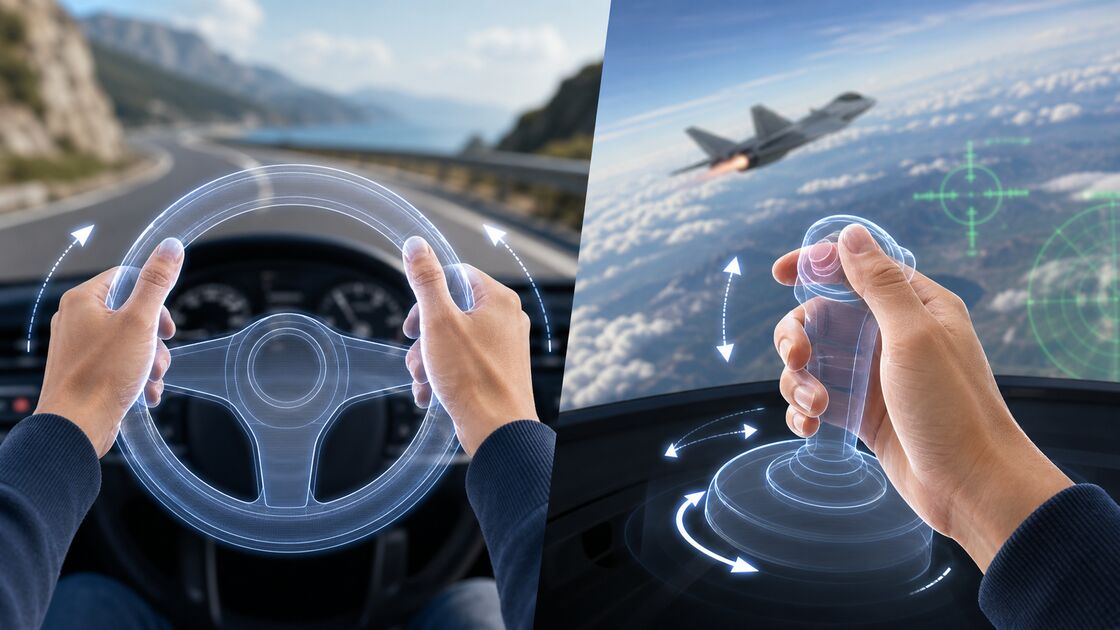
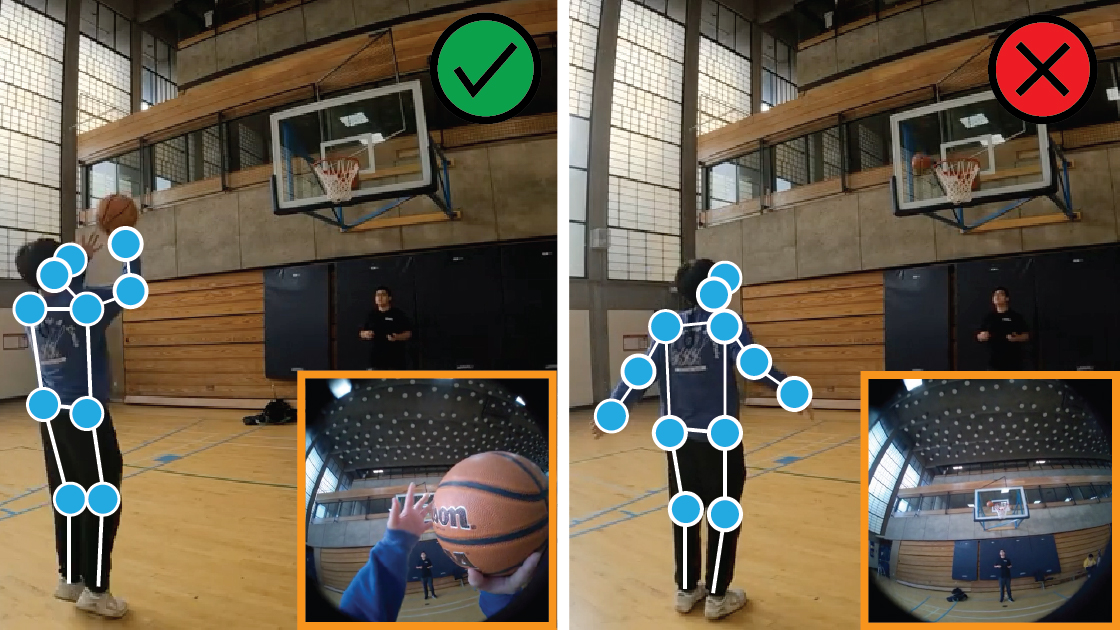
Perception from body-worn and first-person sensors for understanding pose, action, and interaction.
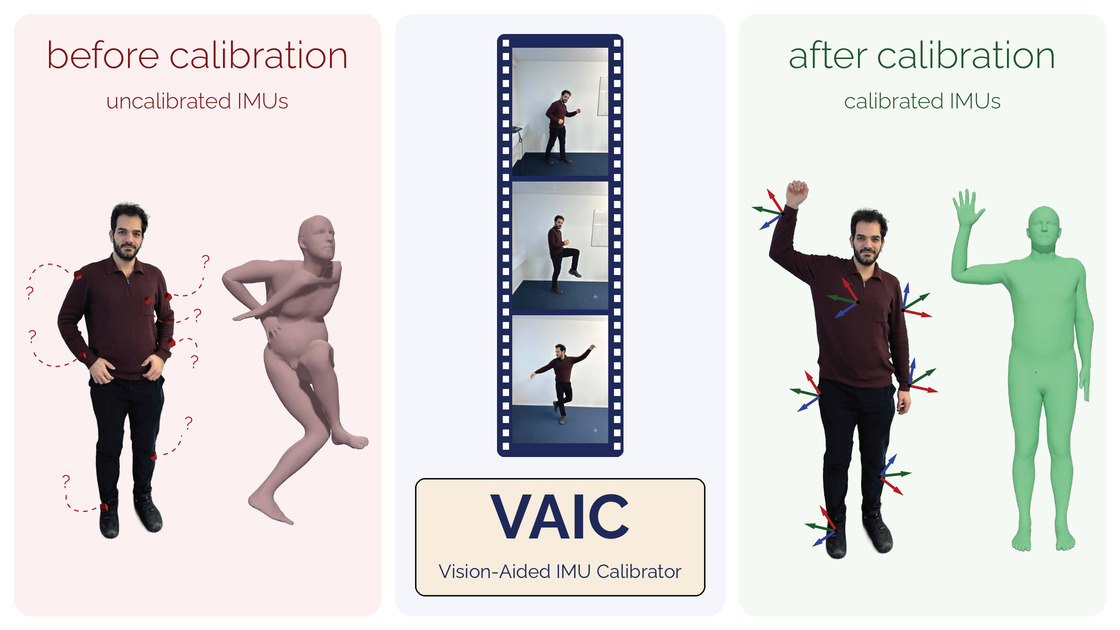
VAIC
EgoPHI
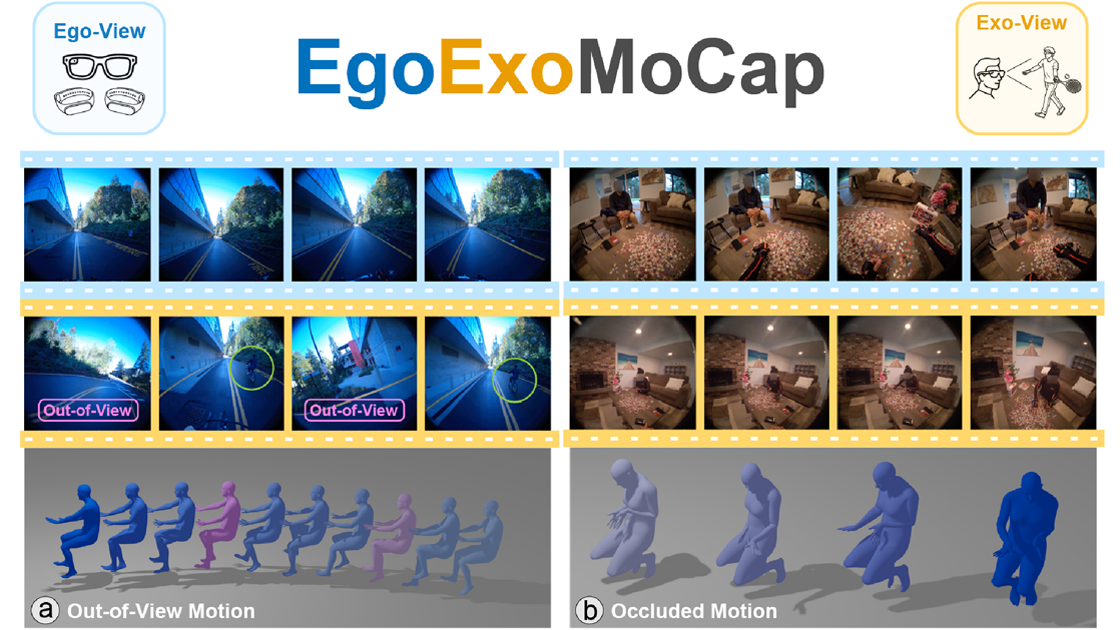
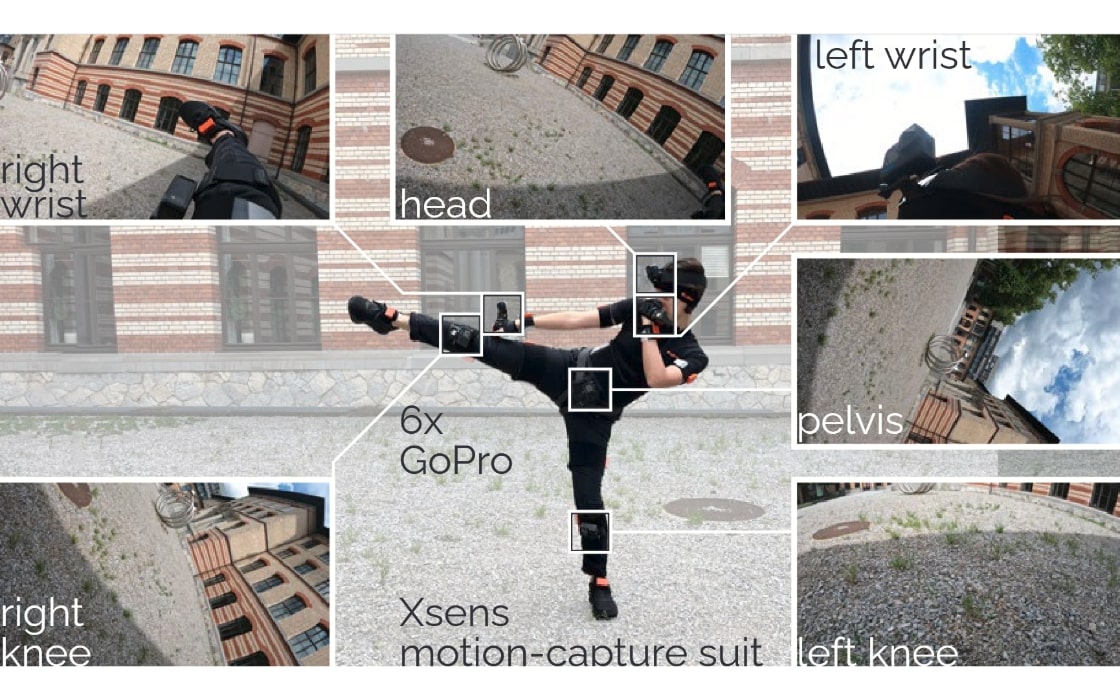
EgoExoMoCap
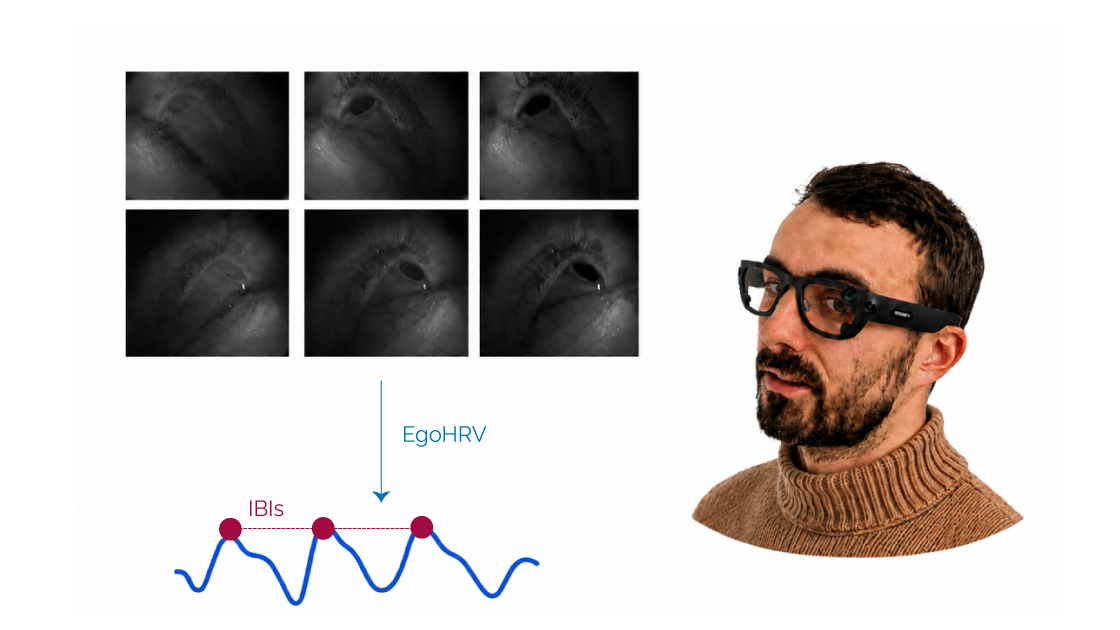
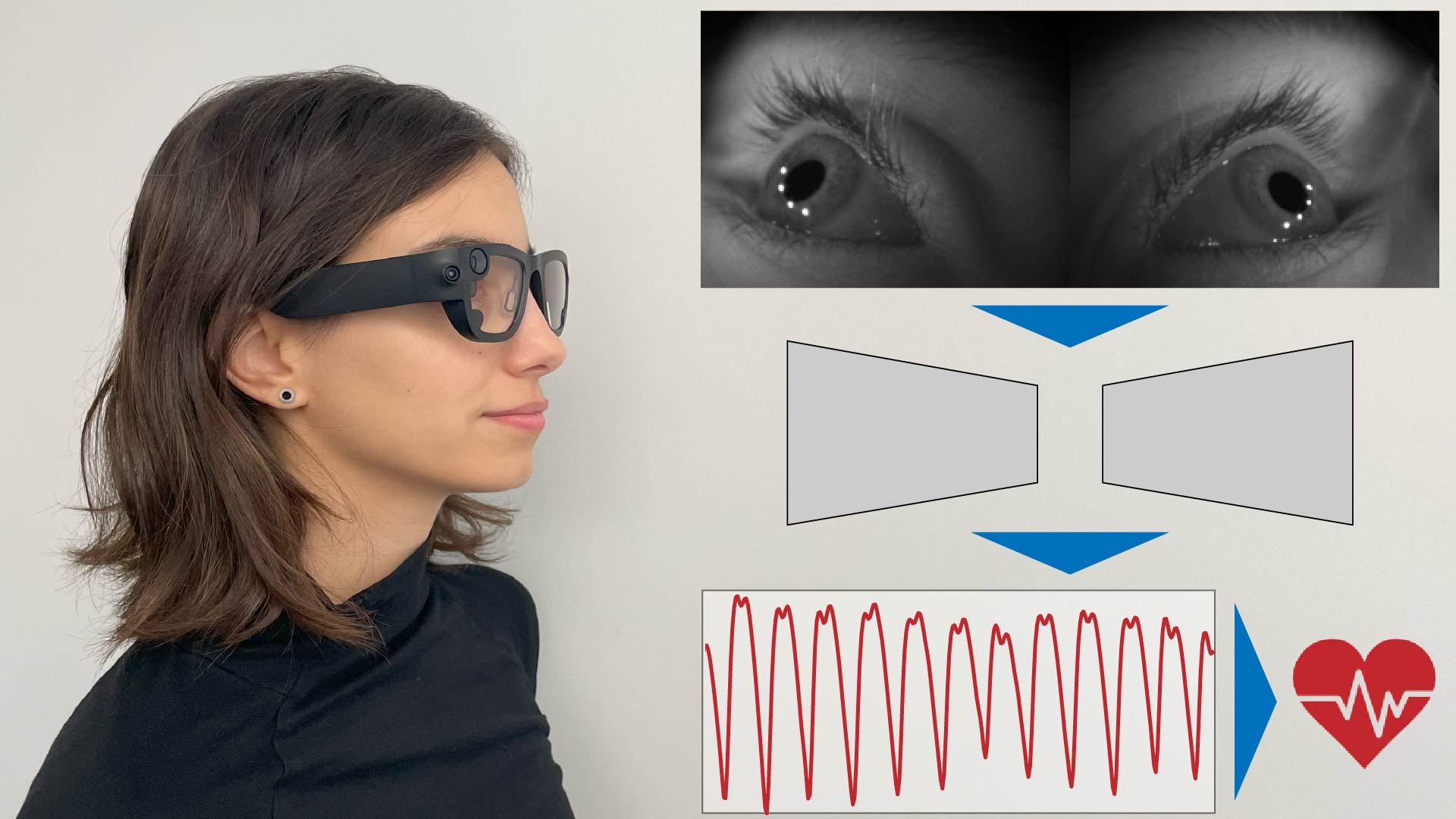
EgoHRV
SkillSpotter
Ultra Diffusion Poser
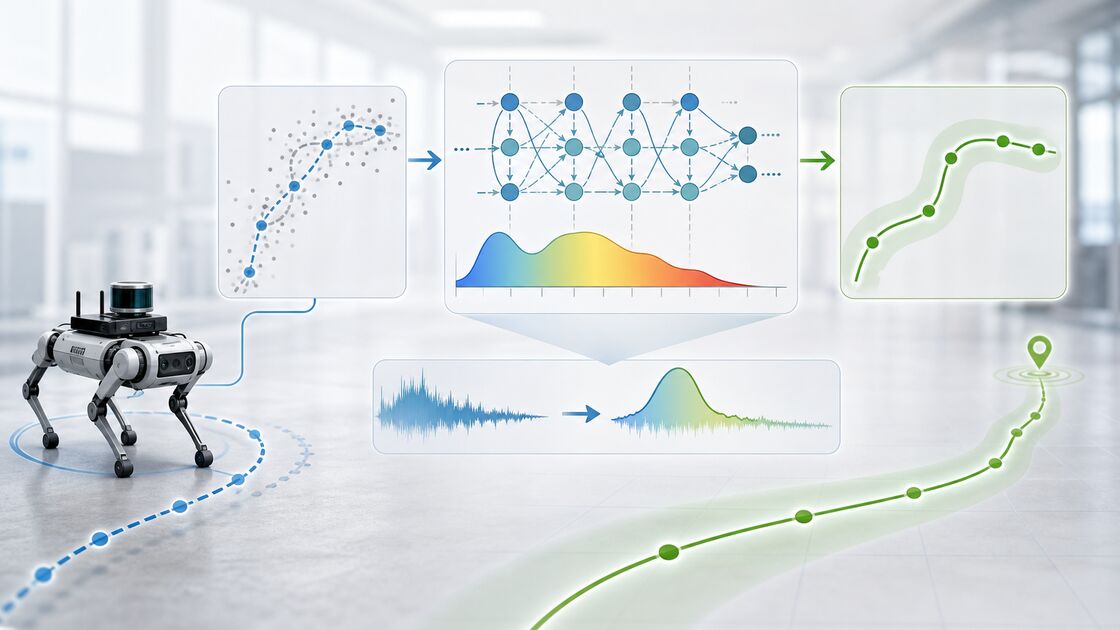
Frequency-Weighted Neural Kalman Filters
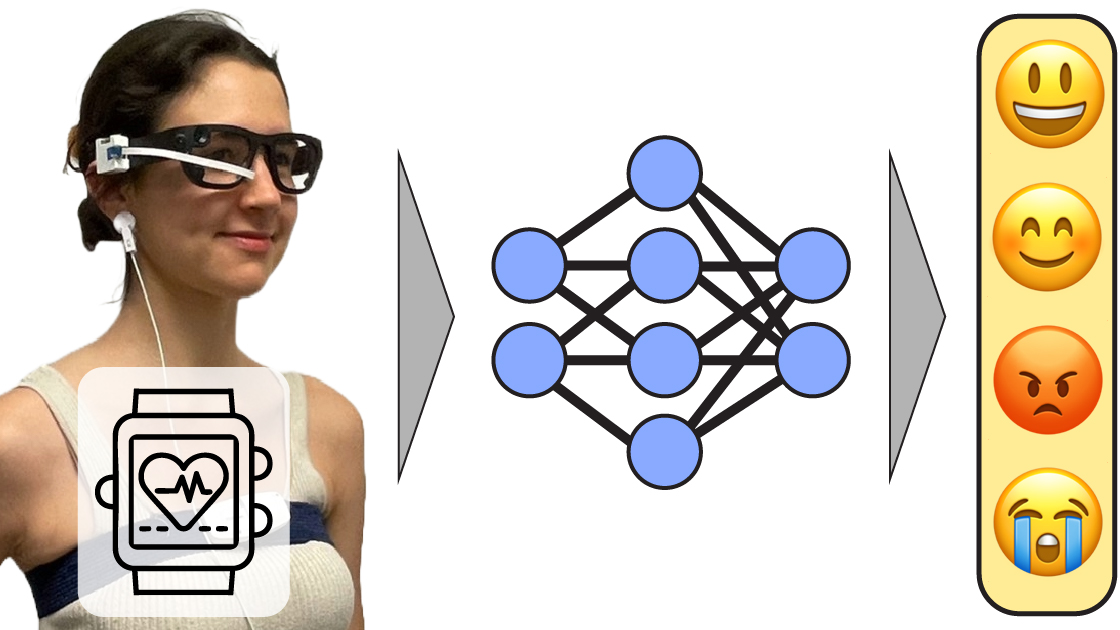
egoEMOTION
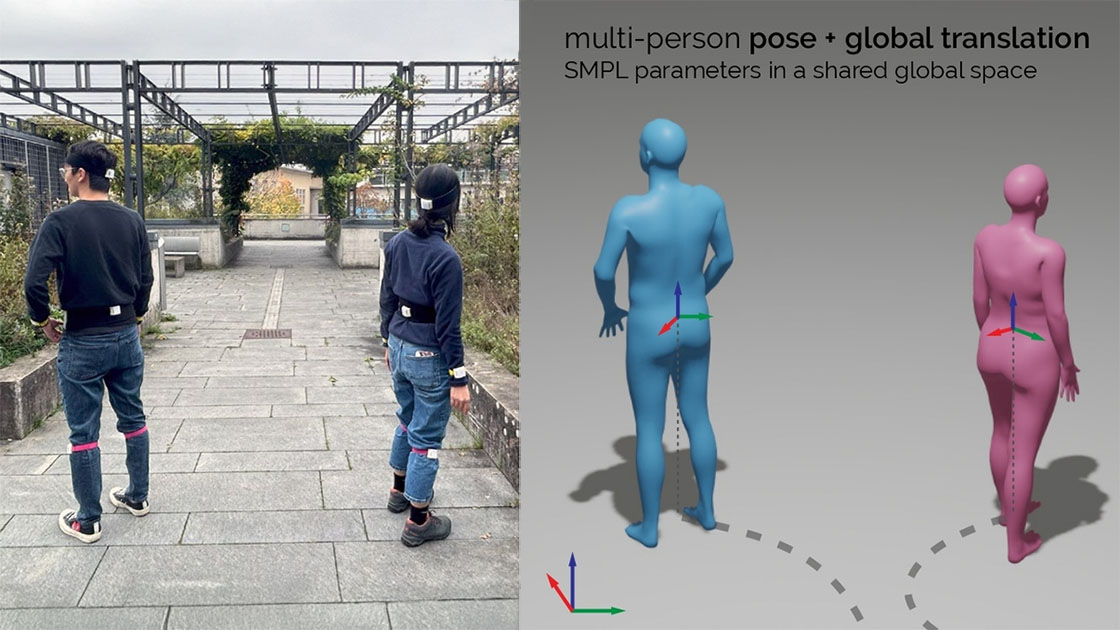
Group Inertial Poser
egoPPG
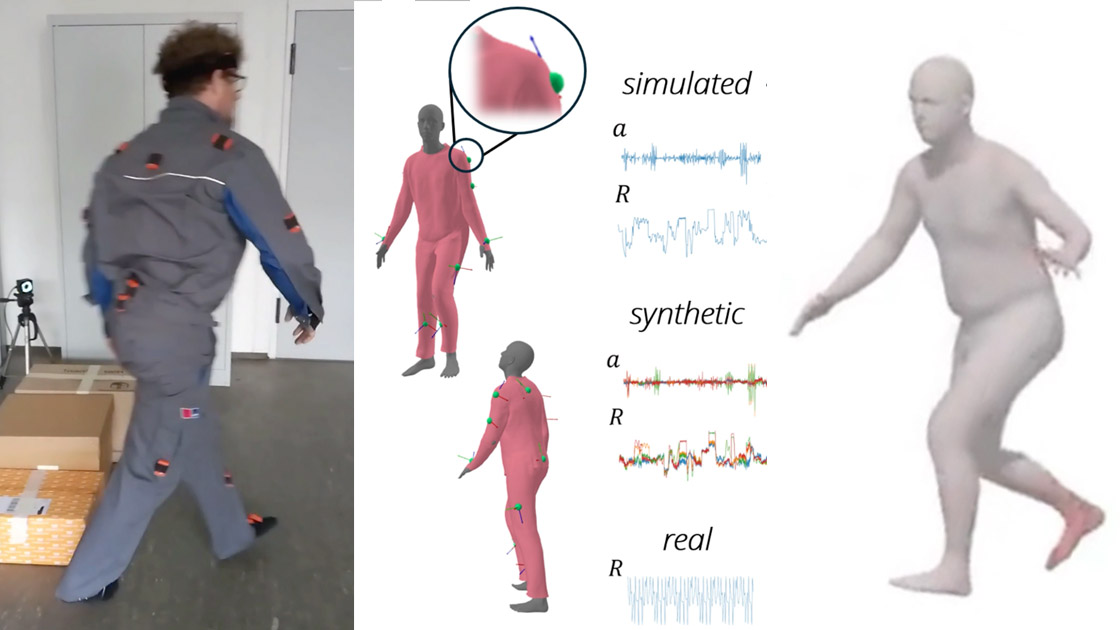
Garment Inertial Poser
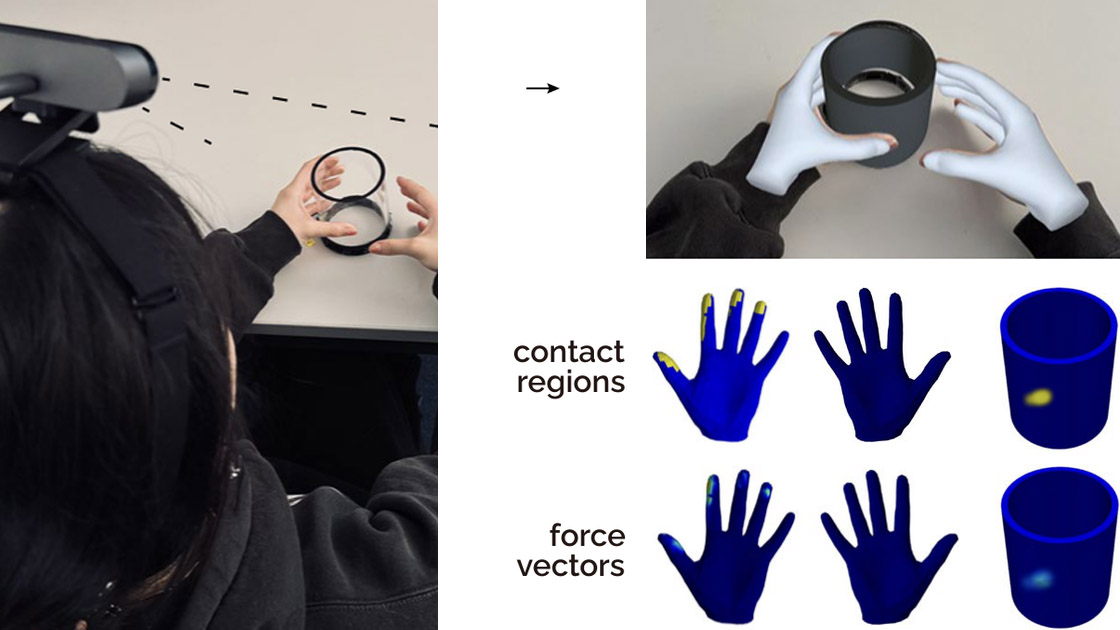
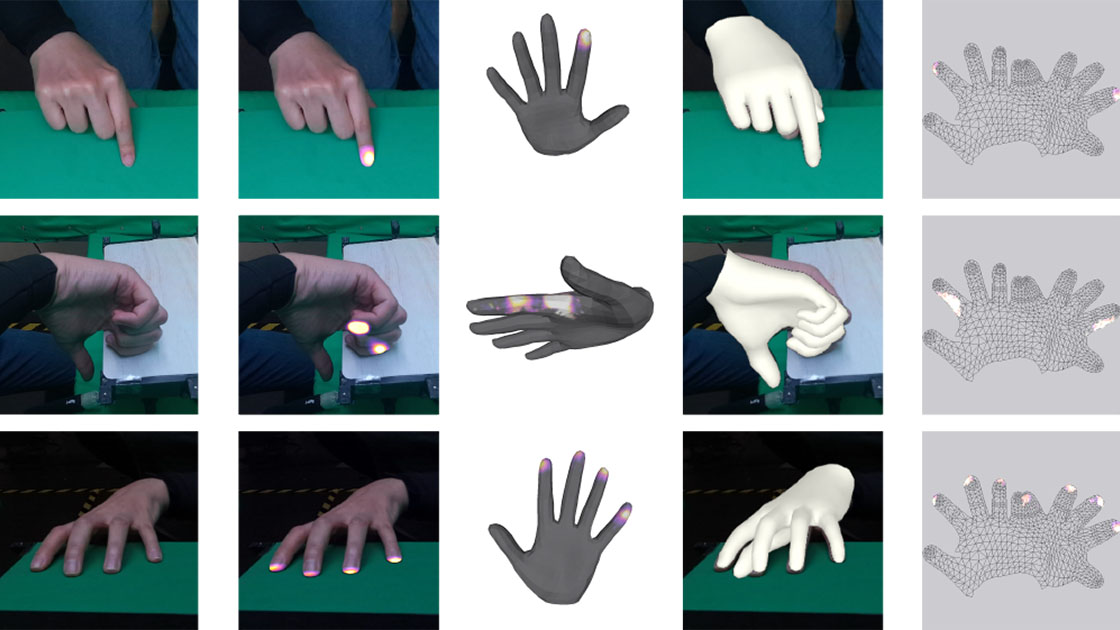
EgoPressure
EgoSim
TouchInsight
MANIKIN
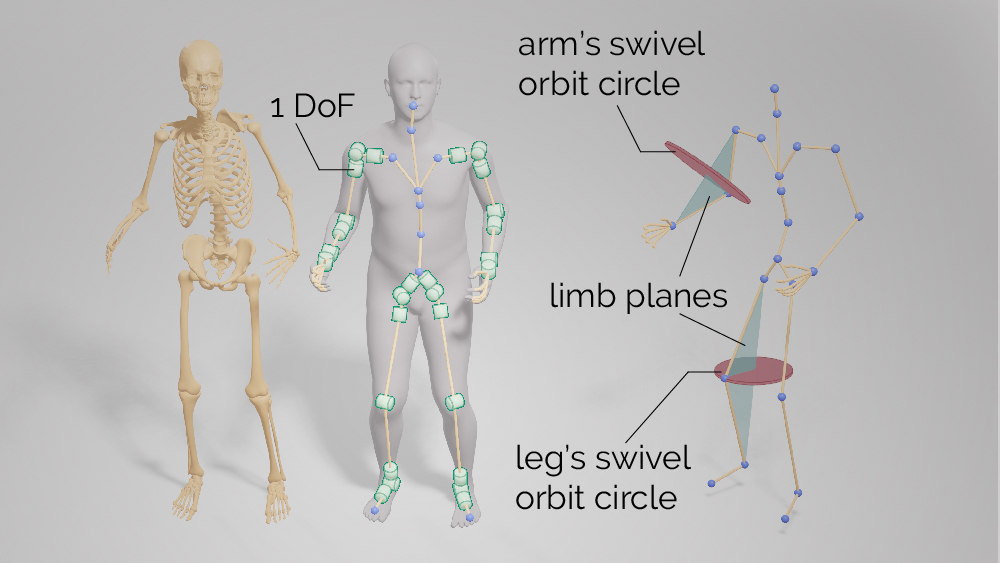
EgoPoser
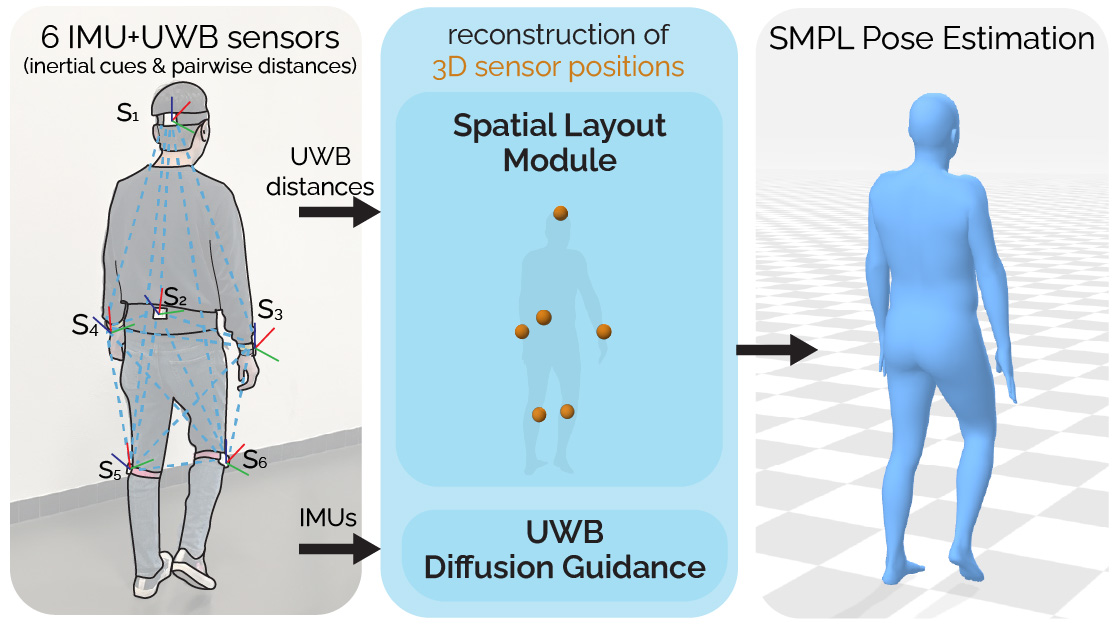
Ultra Inertial Poser
Structured Light Speckle
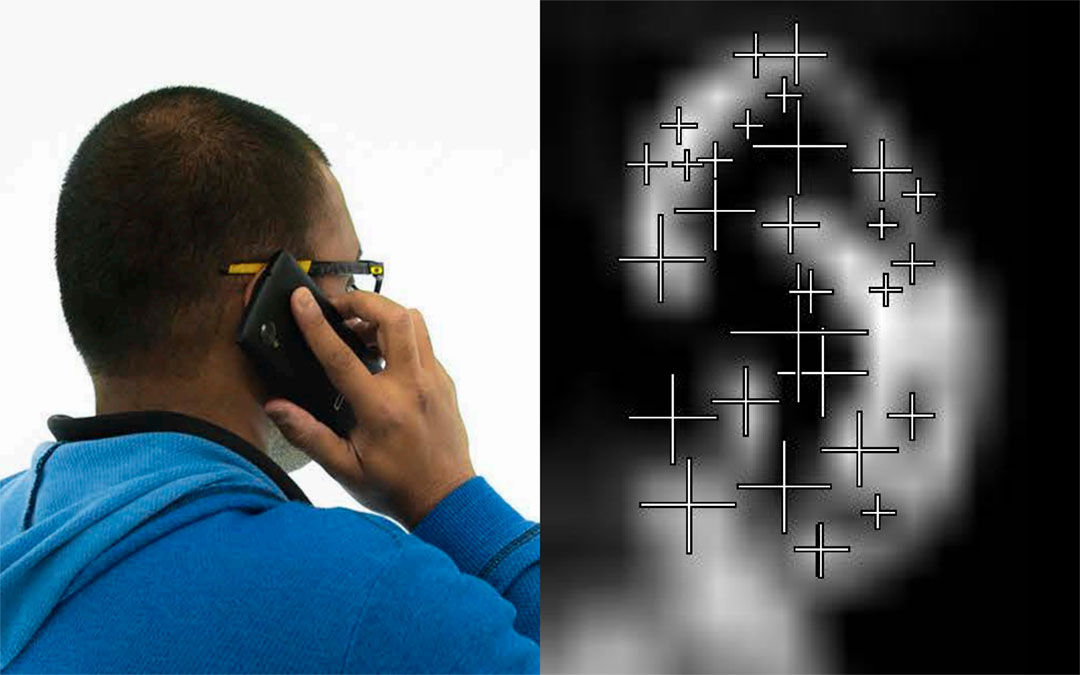
HOOV
AvatarPoser
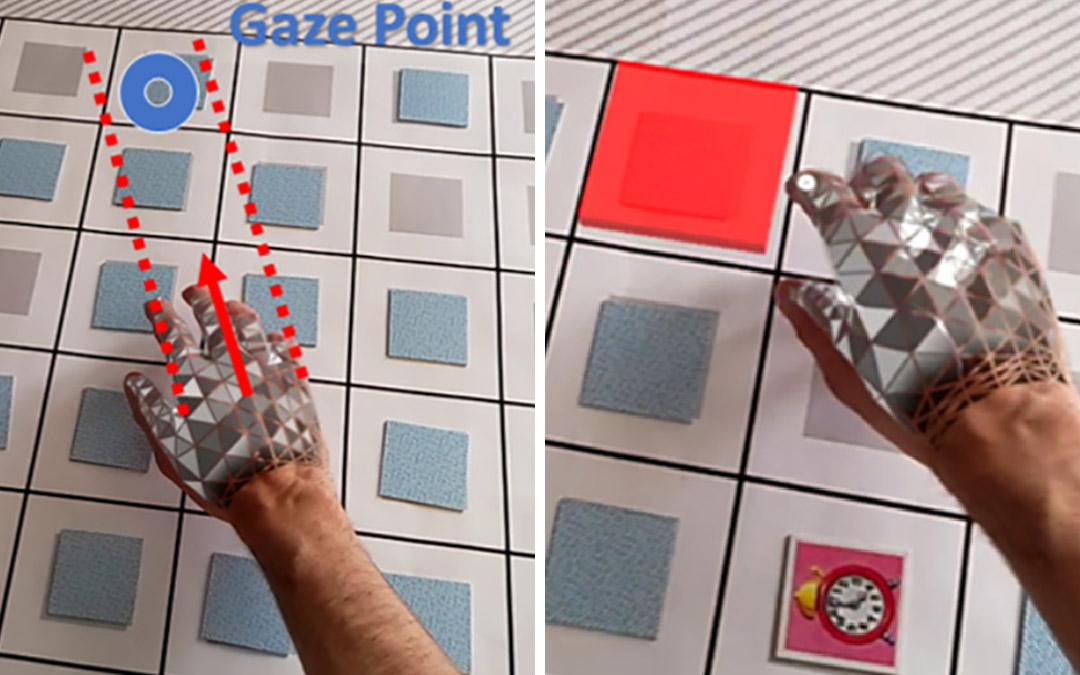
Gaze comes in handy
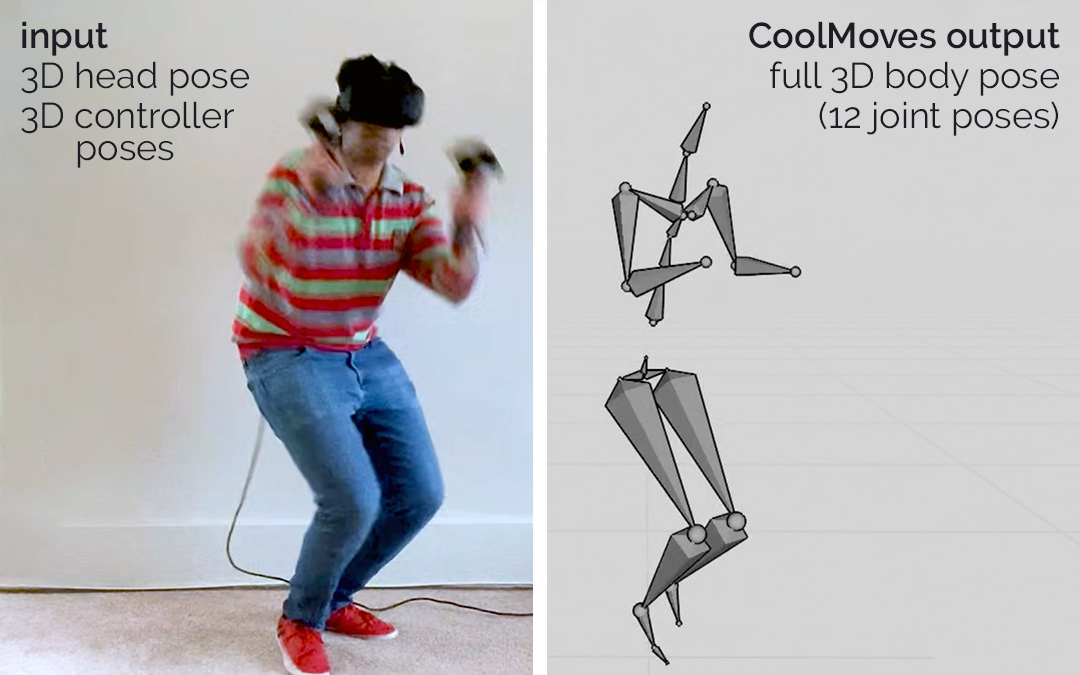
CoolMoves
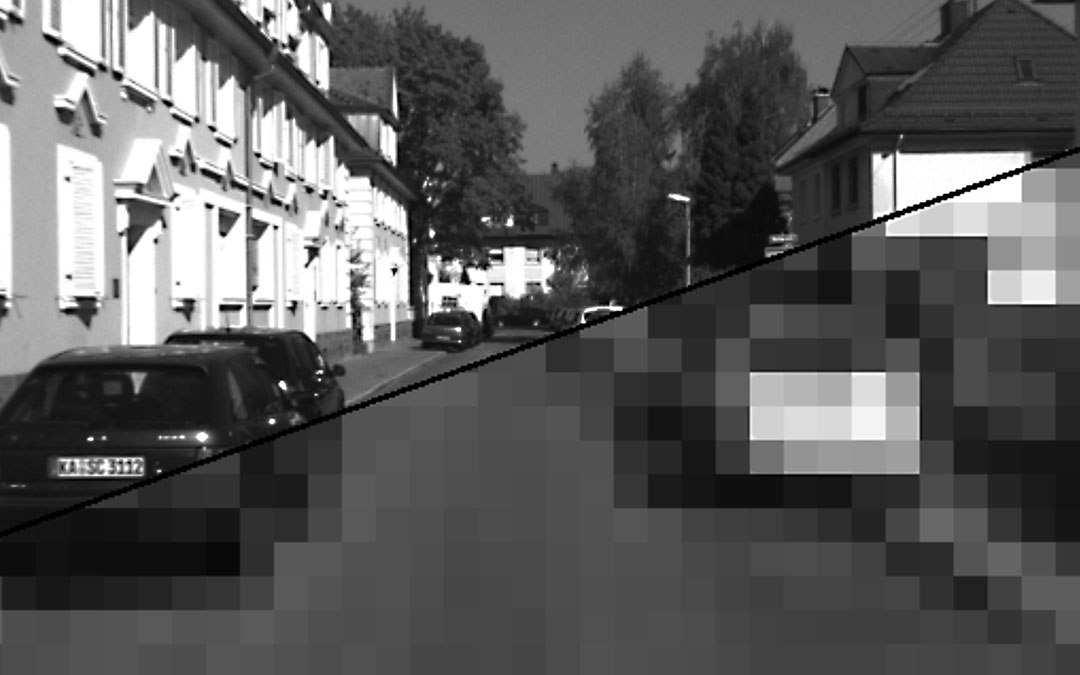
Privacy-Preserving Ego-Motion Estimation
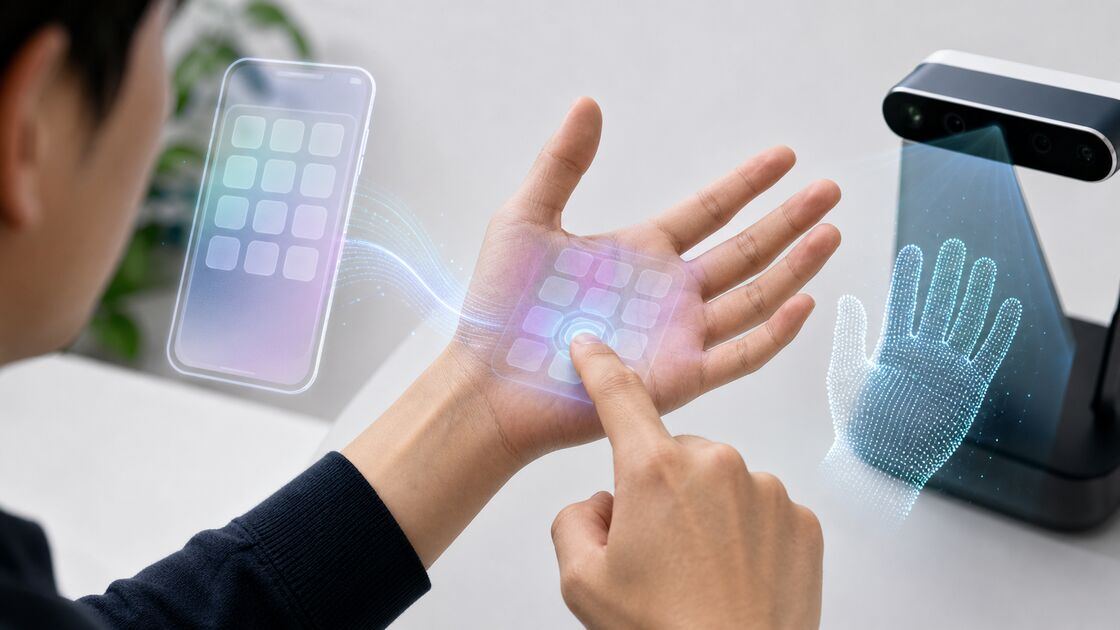
Imaginary Phone
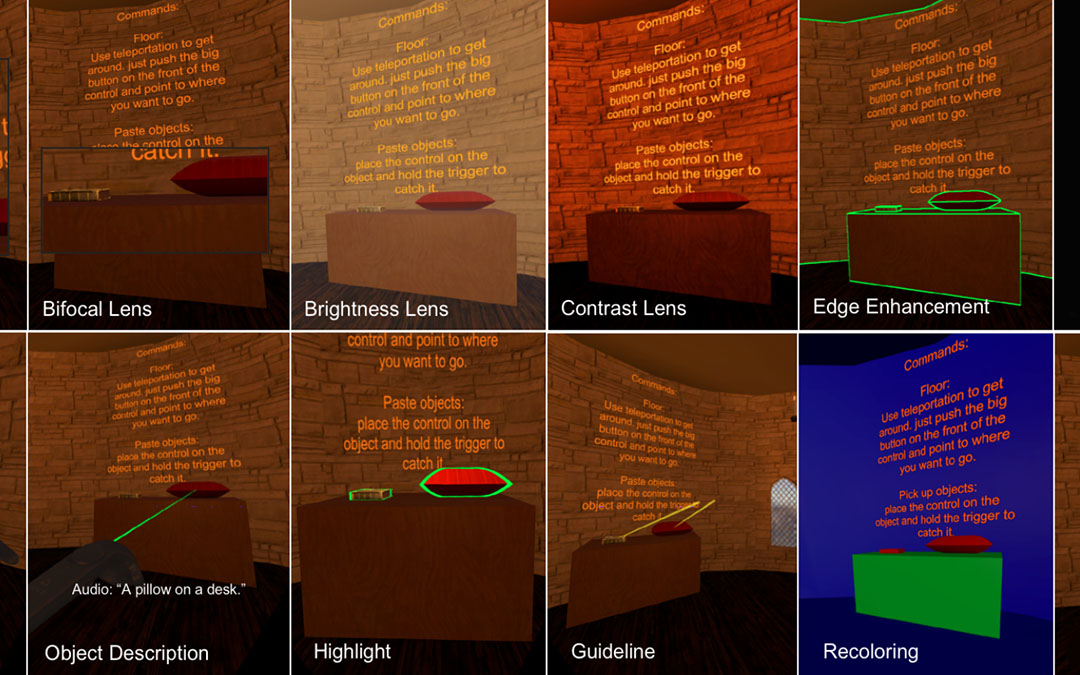
Dexterous manipulation & haptics
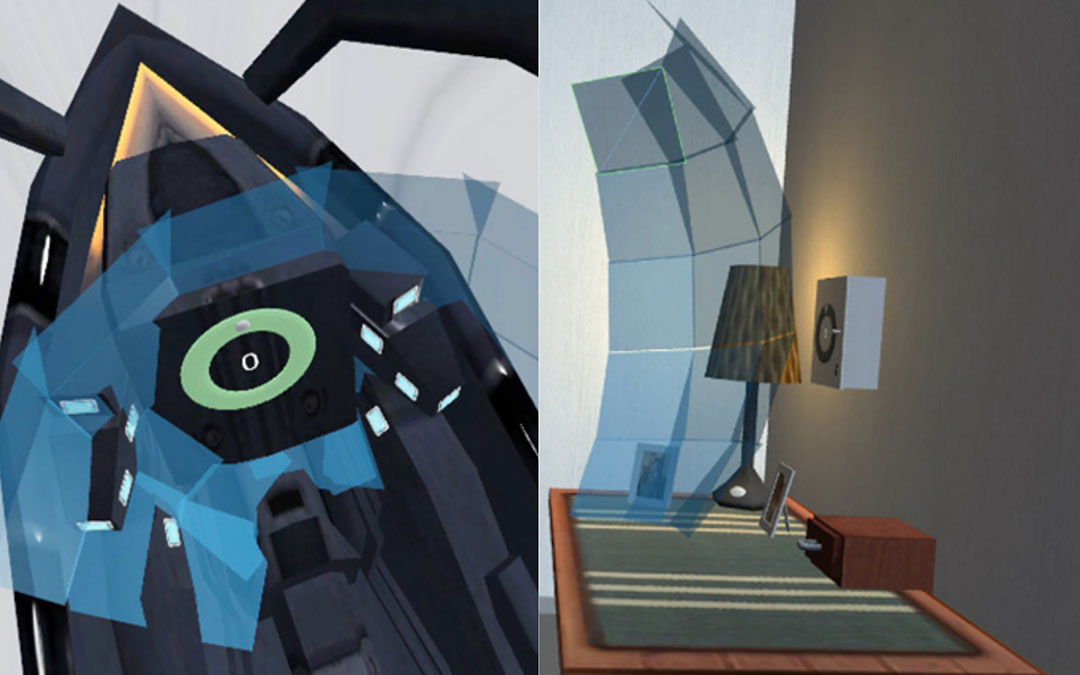
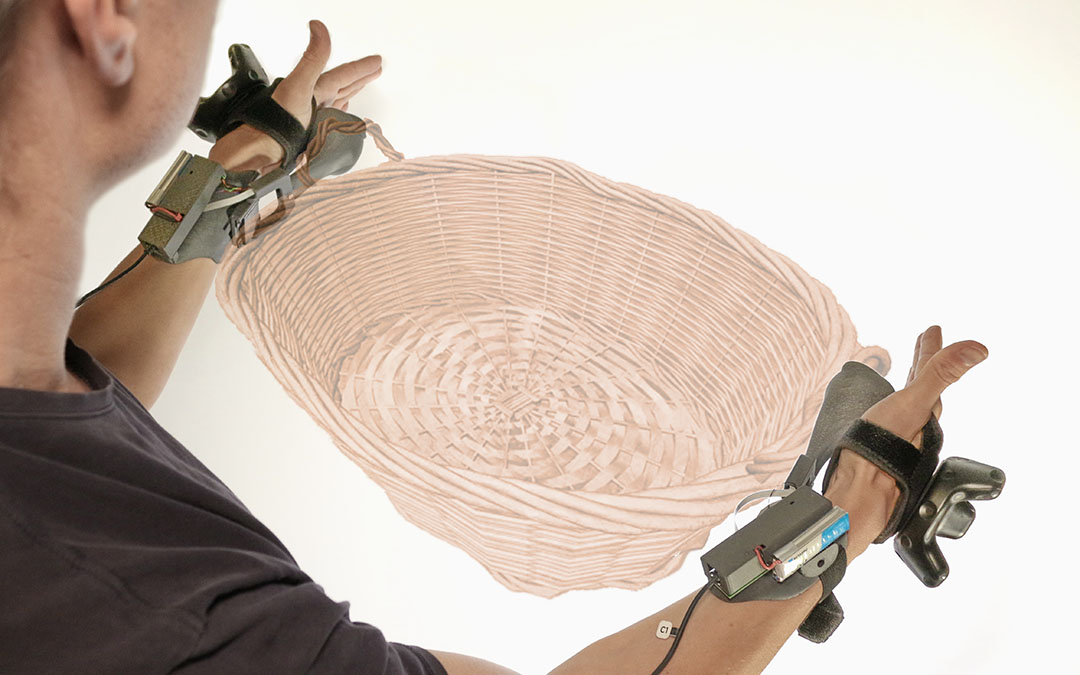
Sensing and actuation for physical contact, grasping, object manipulation, and tactile or kinesthetic feedback.
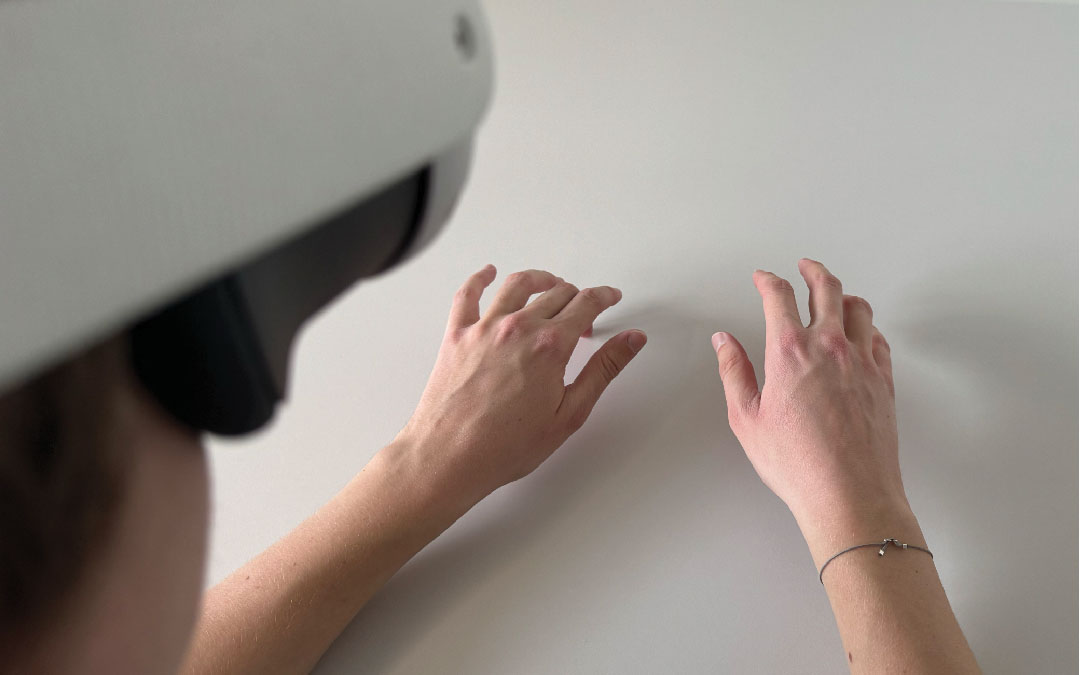
EgoPHI
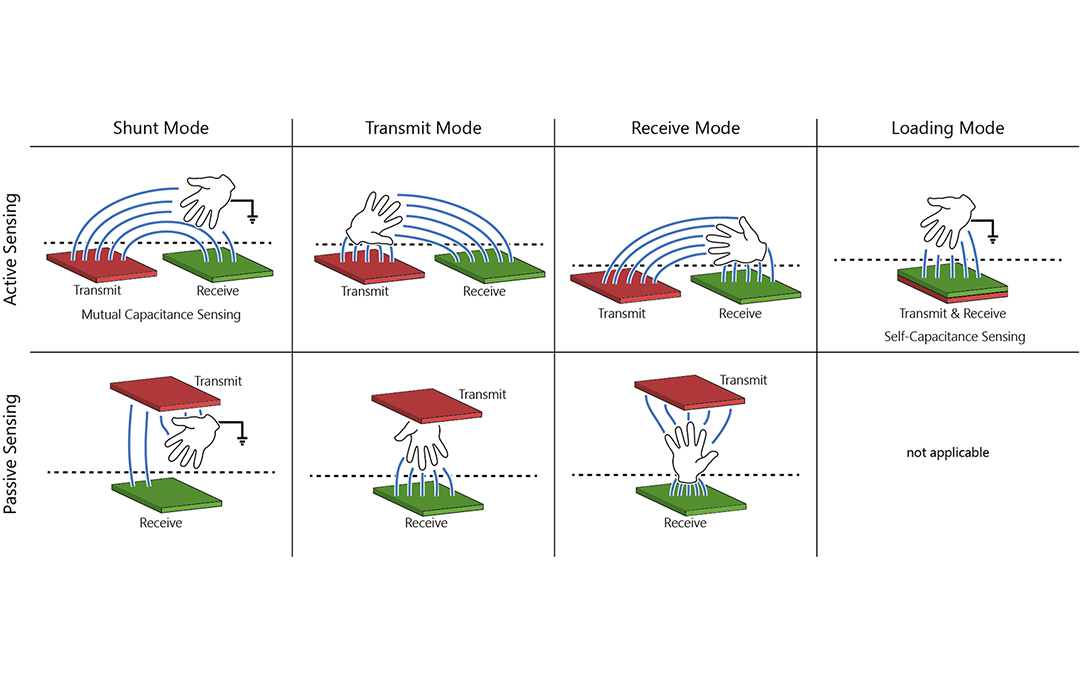
Capacitive Sensing on Real-World Objects
EgoPressure
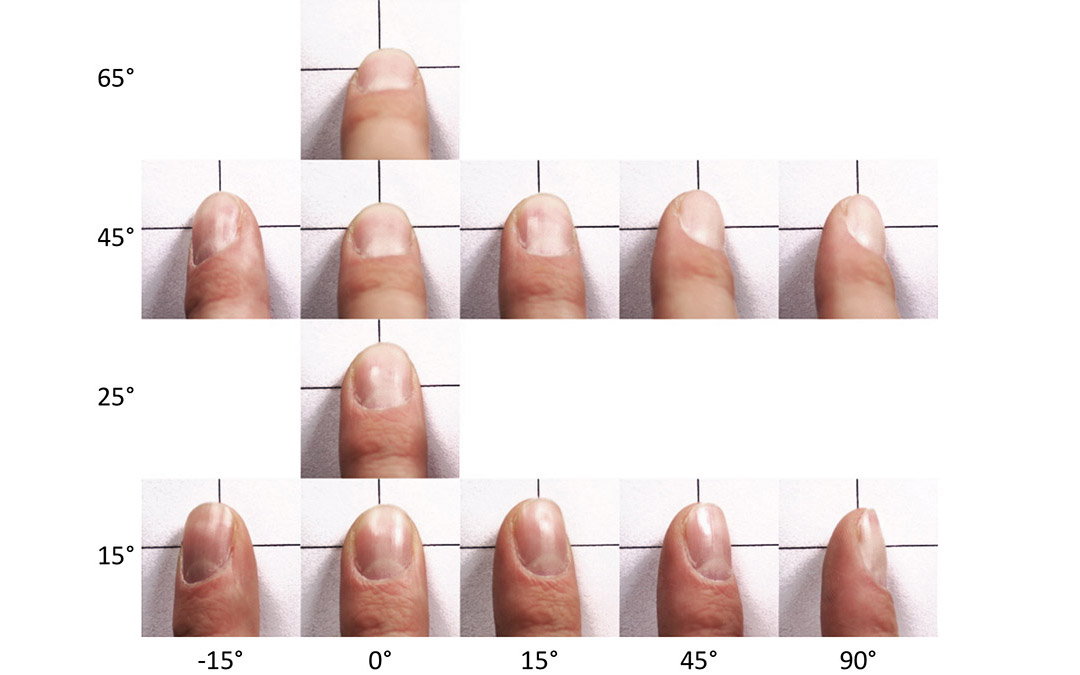
TouchInsight
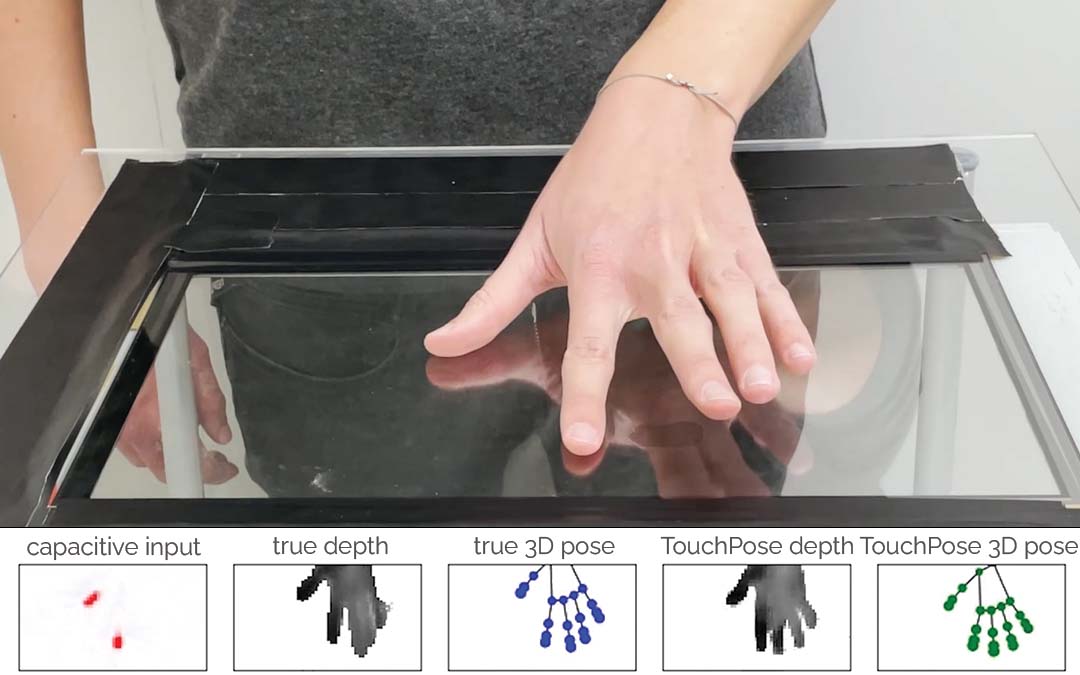
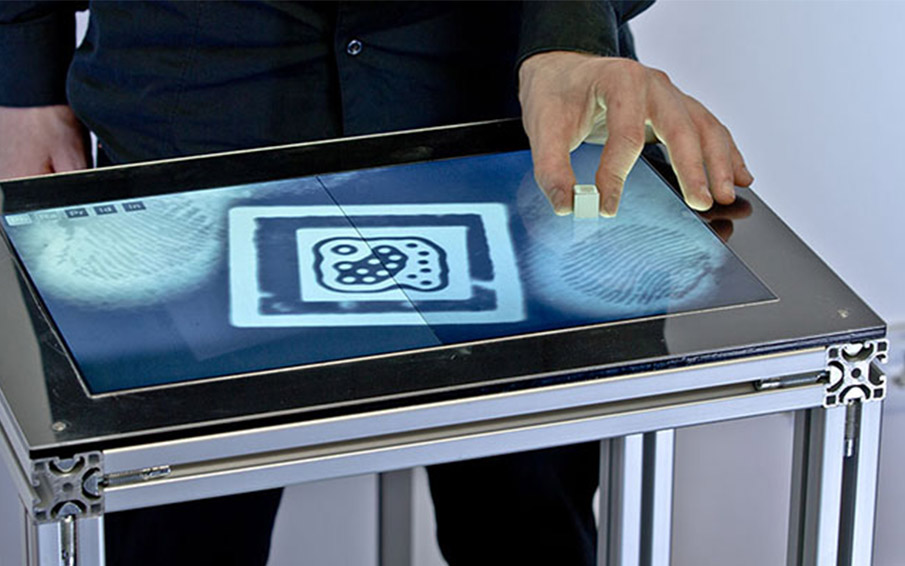
TouchPose
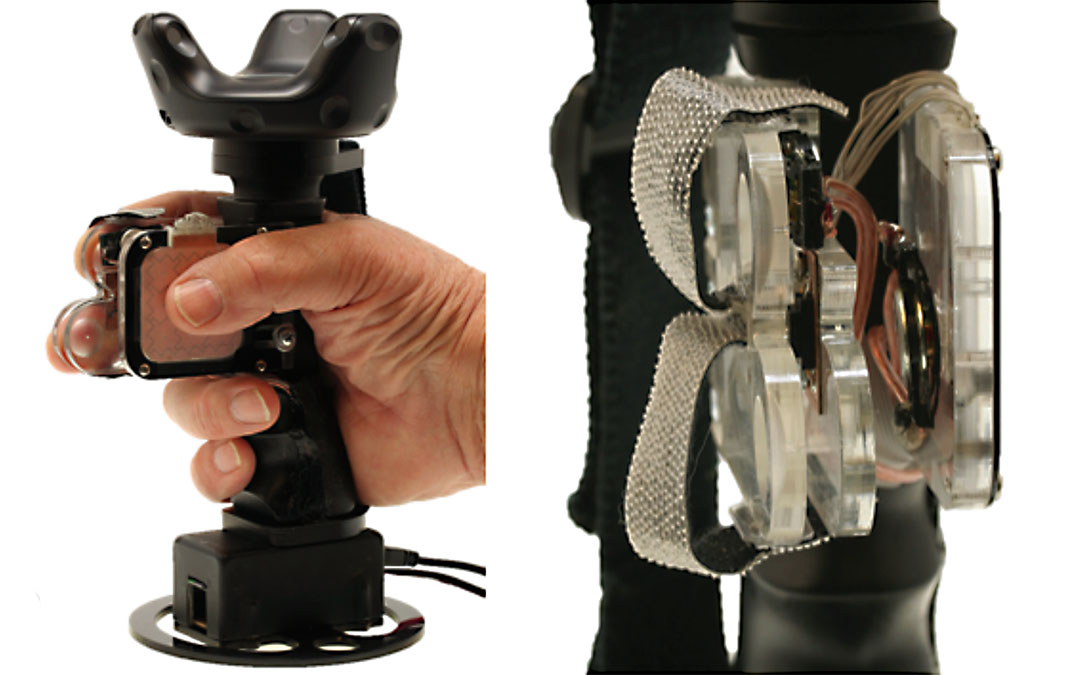
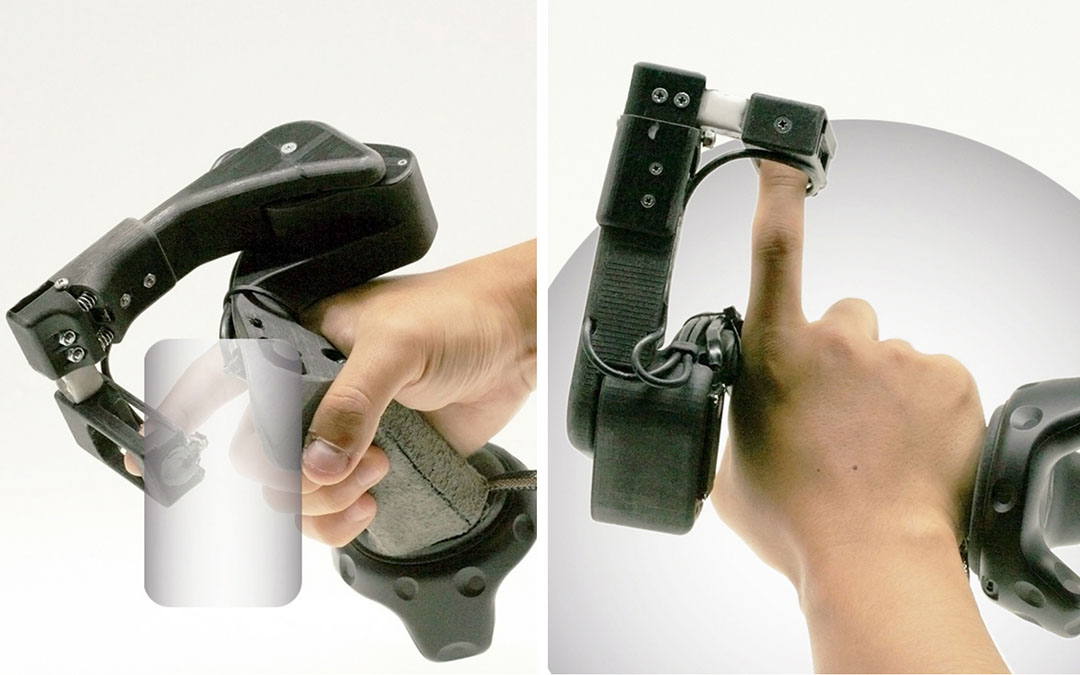
Haptic PIVOT
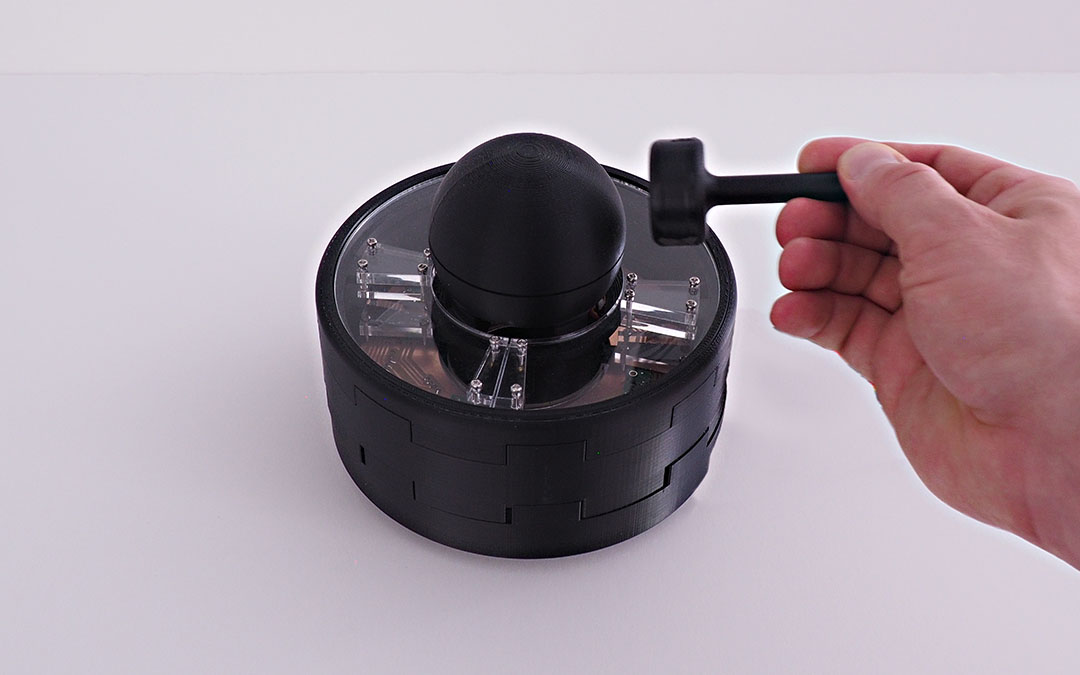
Omni
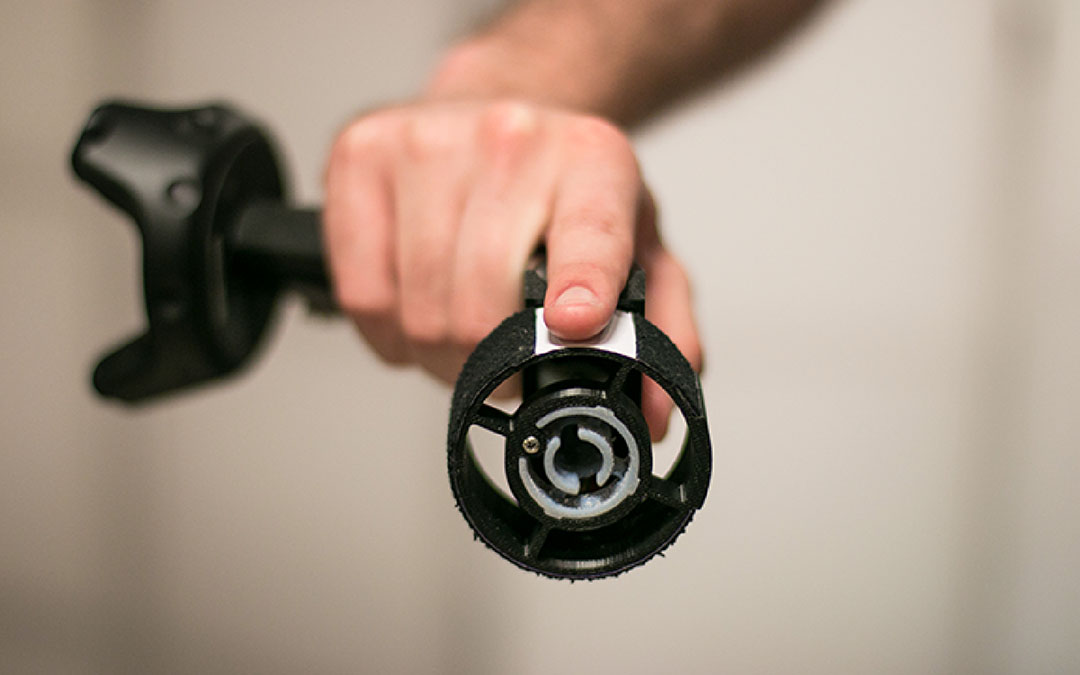
Virtual Reality Without Vision
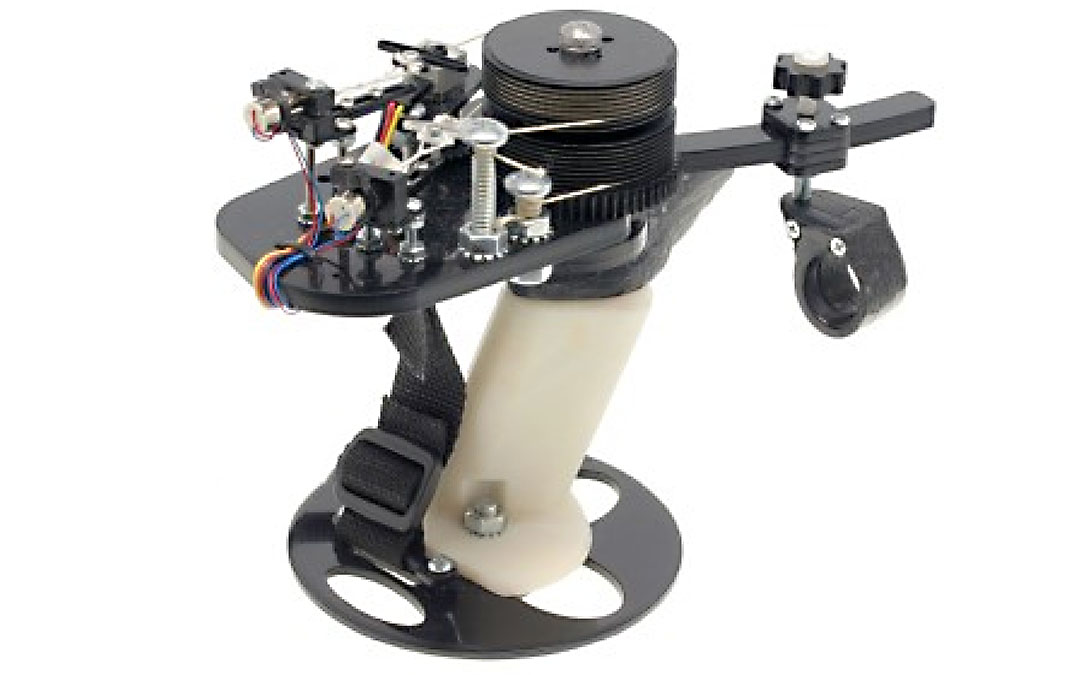
CapstanCrunch
TORC
Haptic Revolver
CLAW
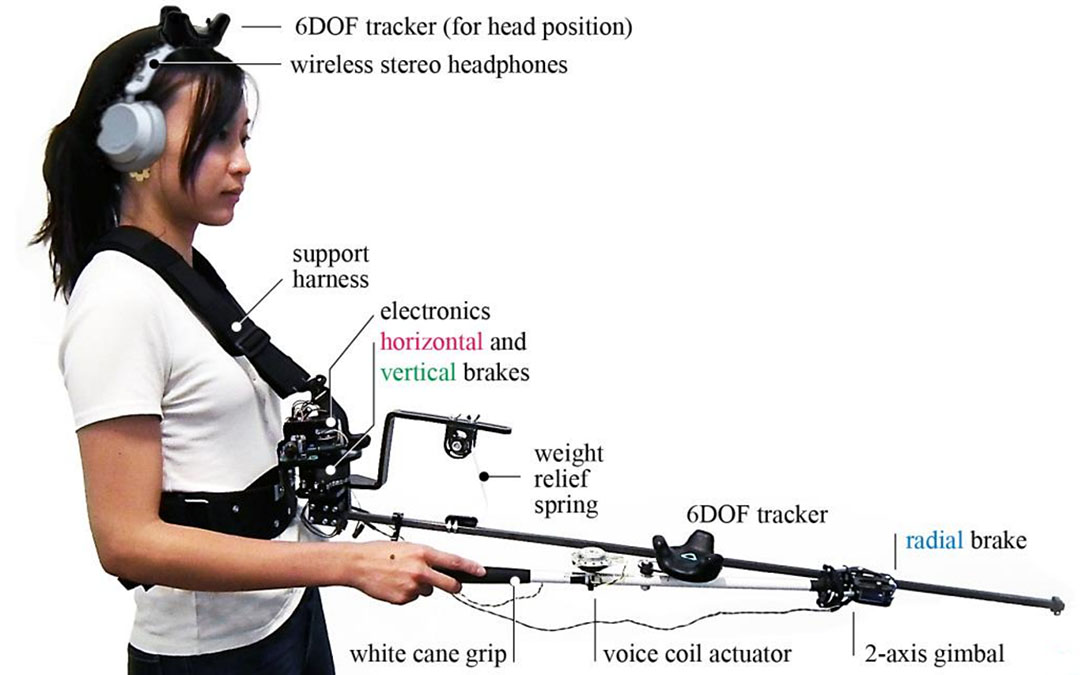
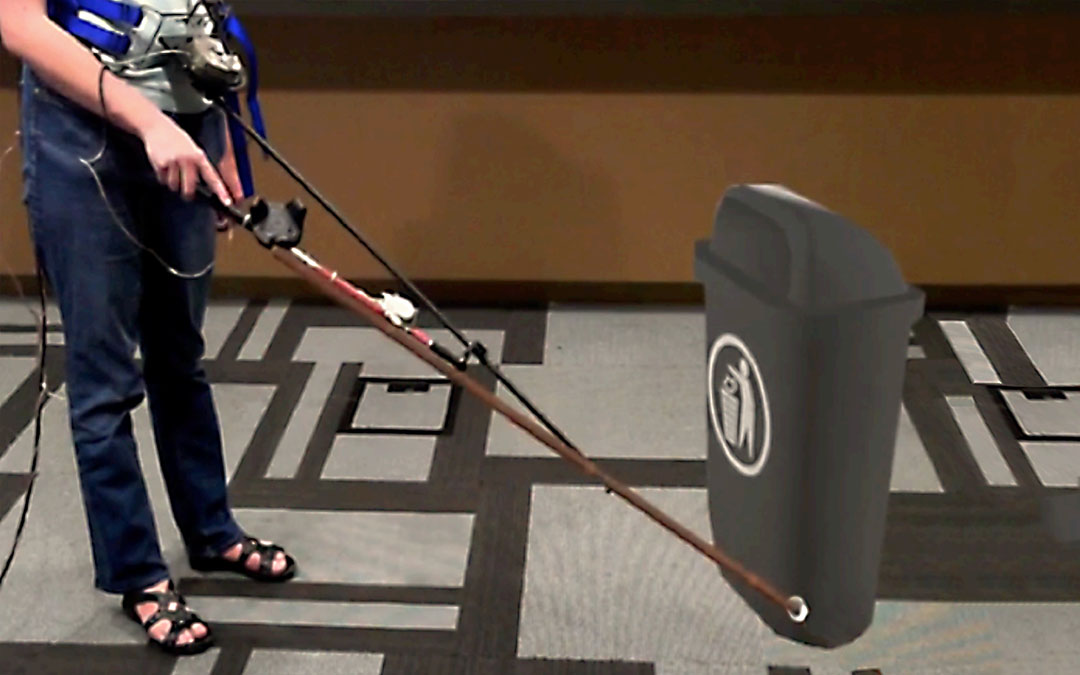
Enabling People with Visual Impairments to Navigate Virtual Reality
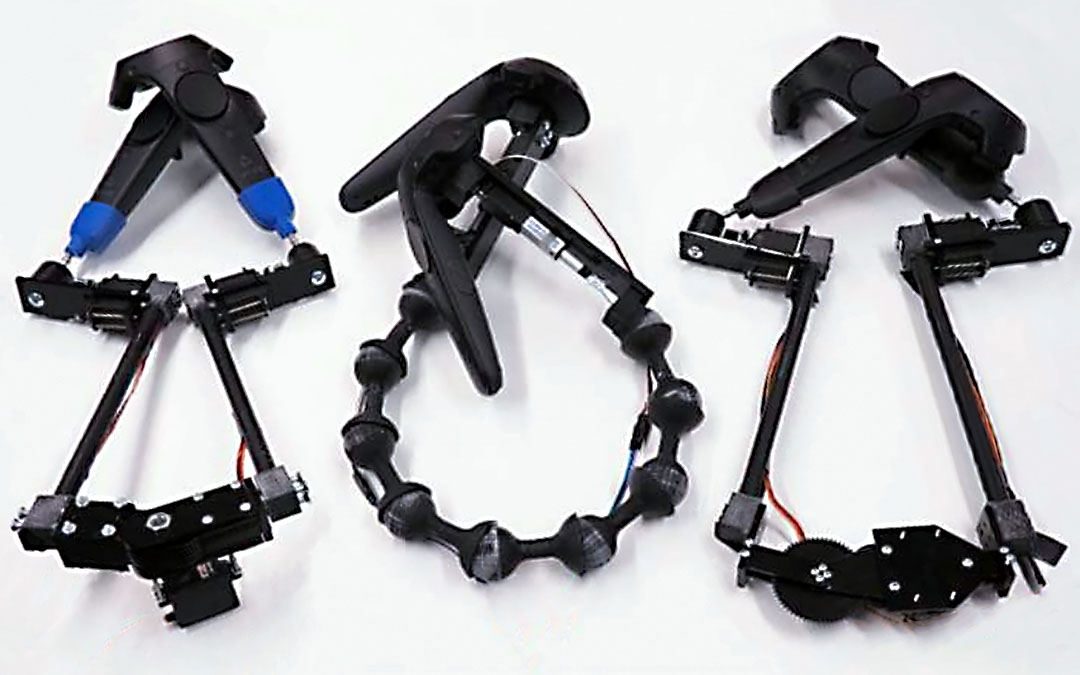
Haptic Links
Sparse Haptic Proxy
NormalTouch and TextureTouch
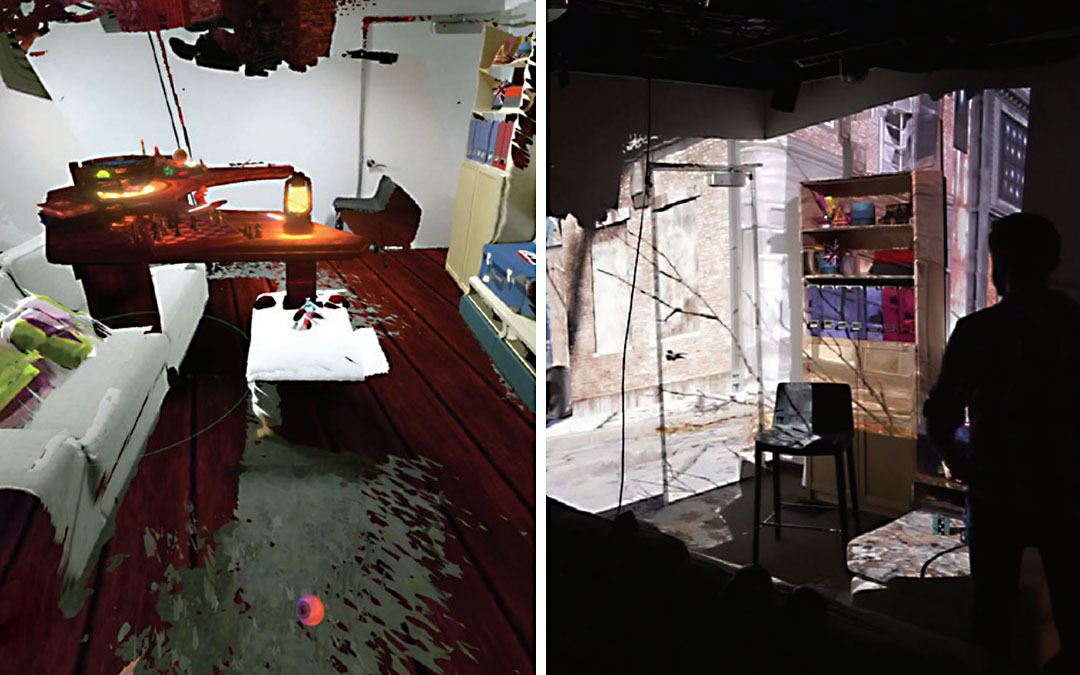
User modeling
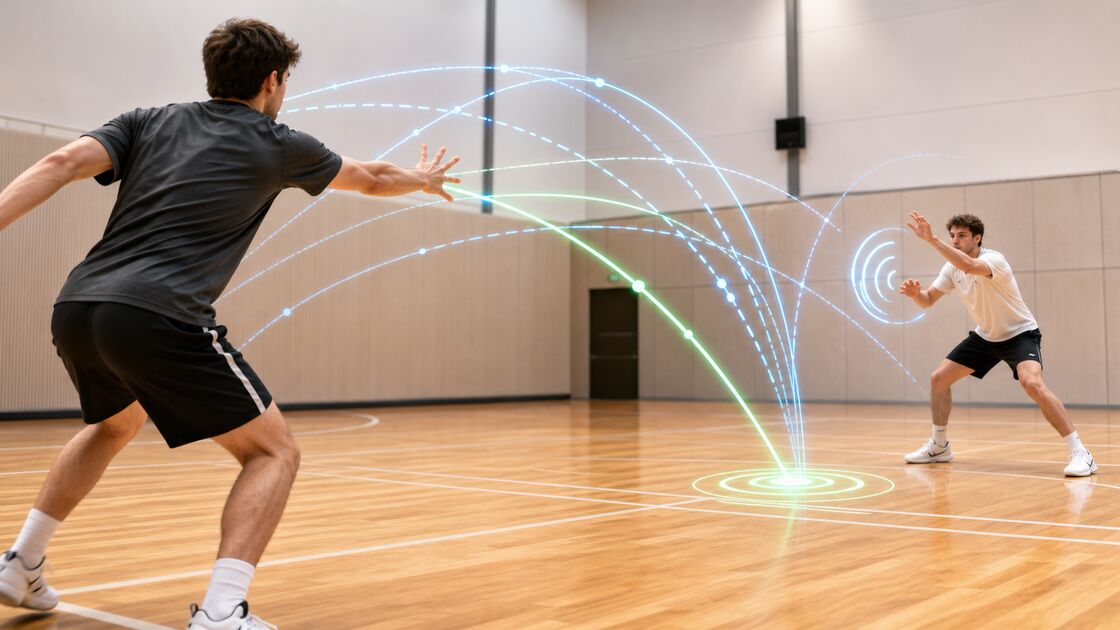
Models of human behavior, preference, ability, and performance used to personalize and optimize interfaces.
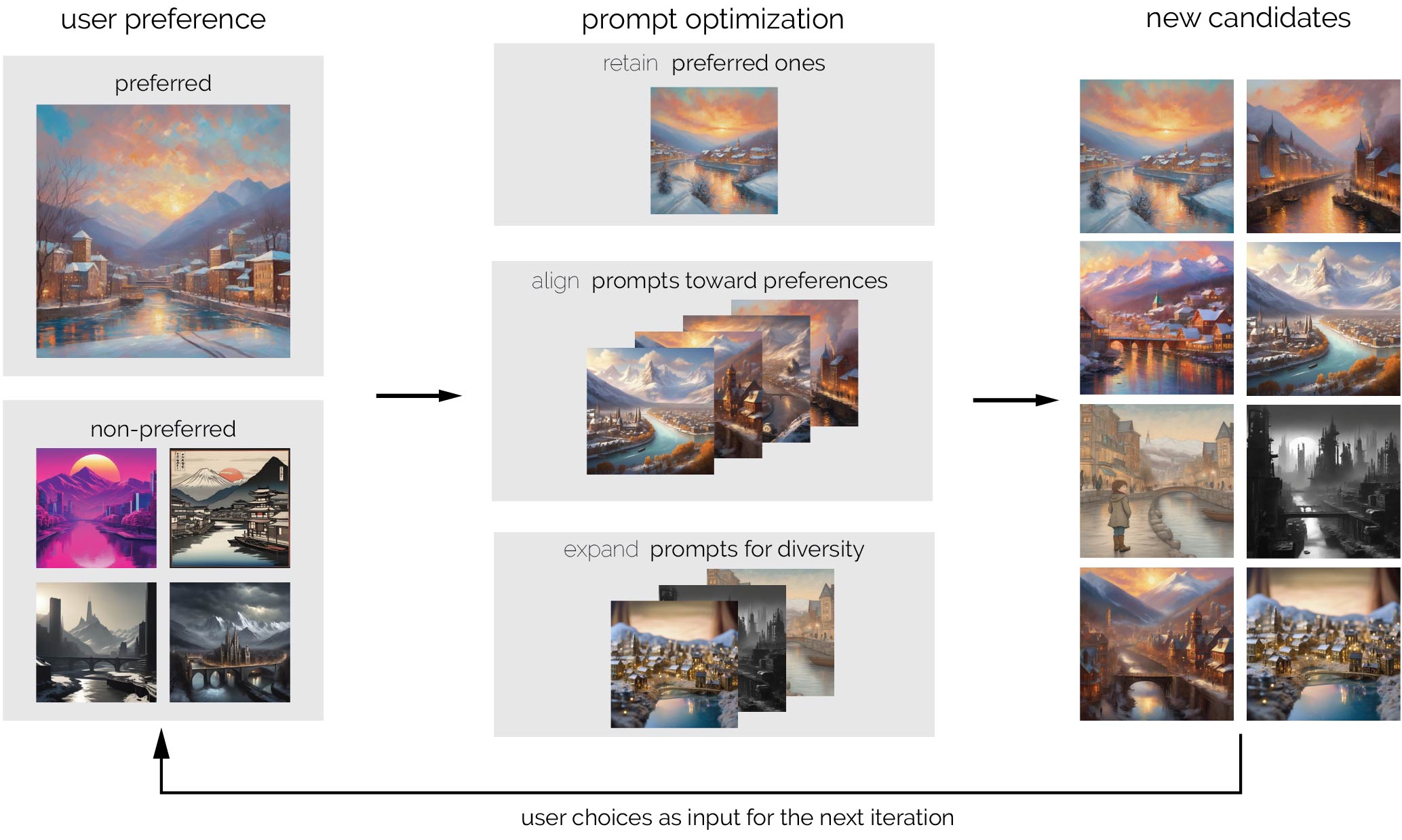
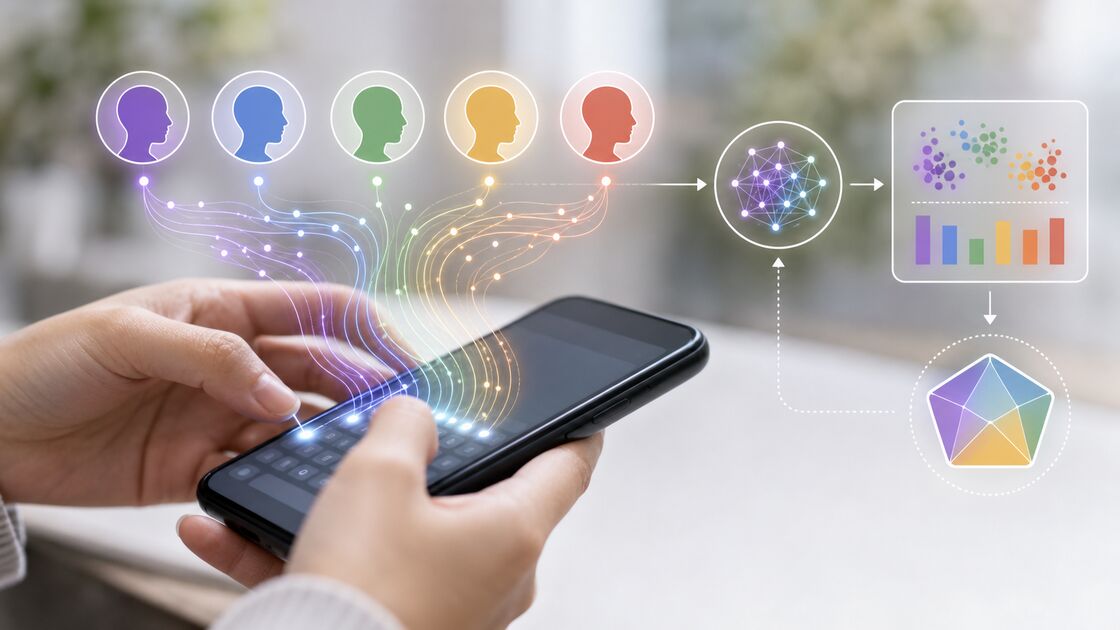
Preference-Guided Prompt Optimization
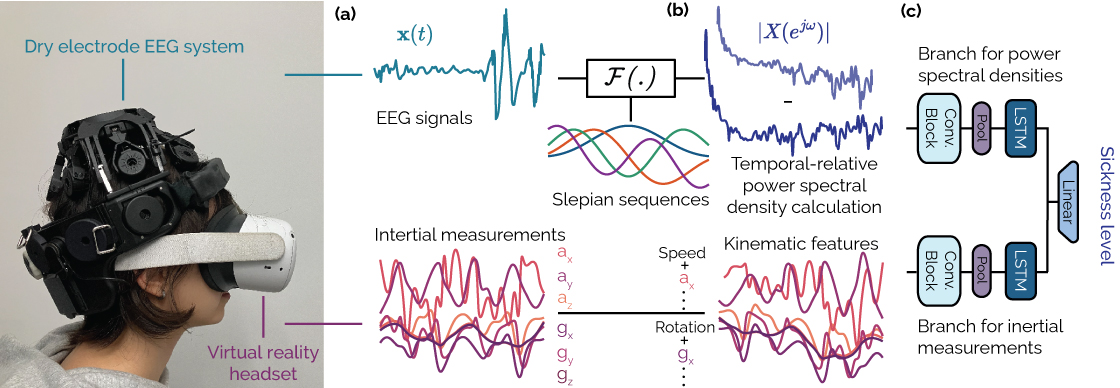
Cybersickness Detection Beyond Subjectivity
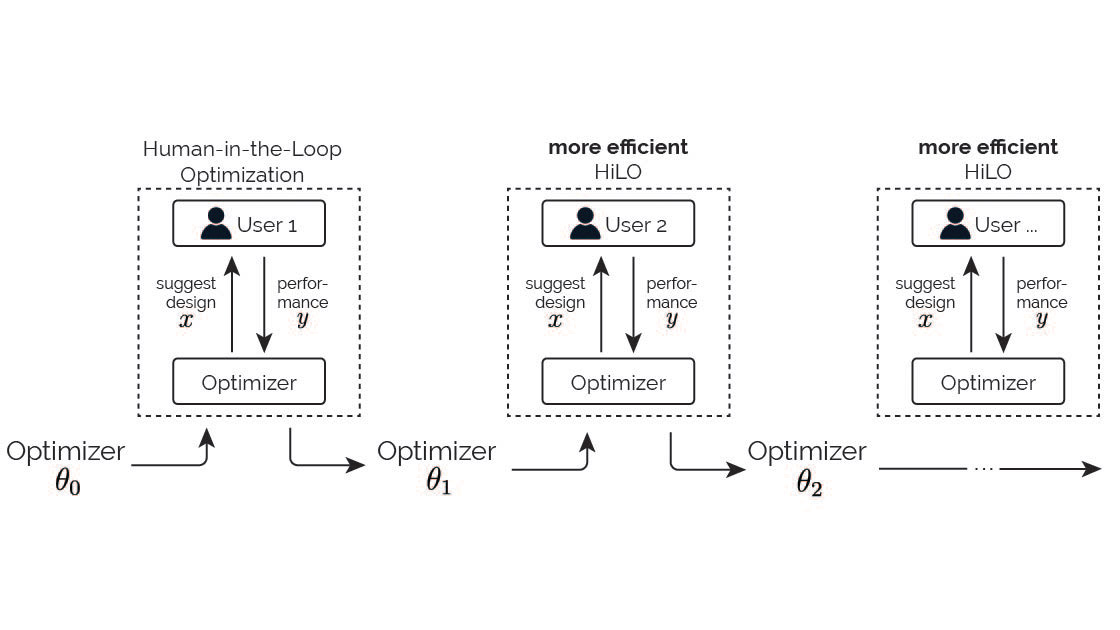
Continual Human-in-the-Loop Optimization
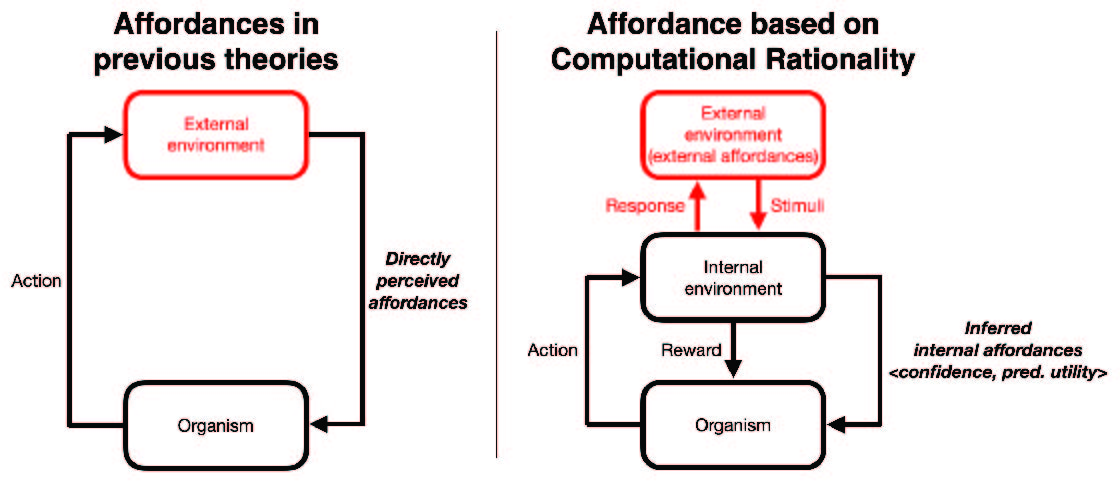
Redefining Affordance
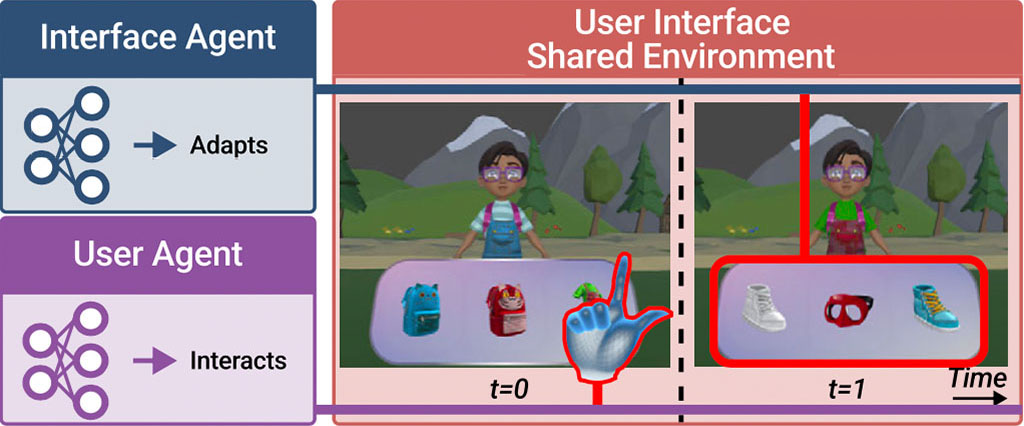
MARLUI
Synchronous vs. Asynchronous Reality
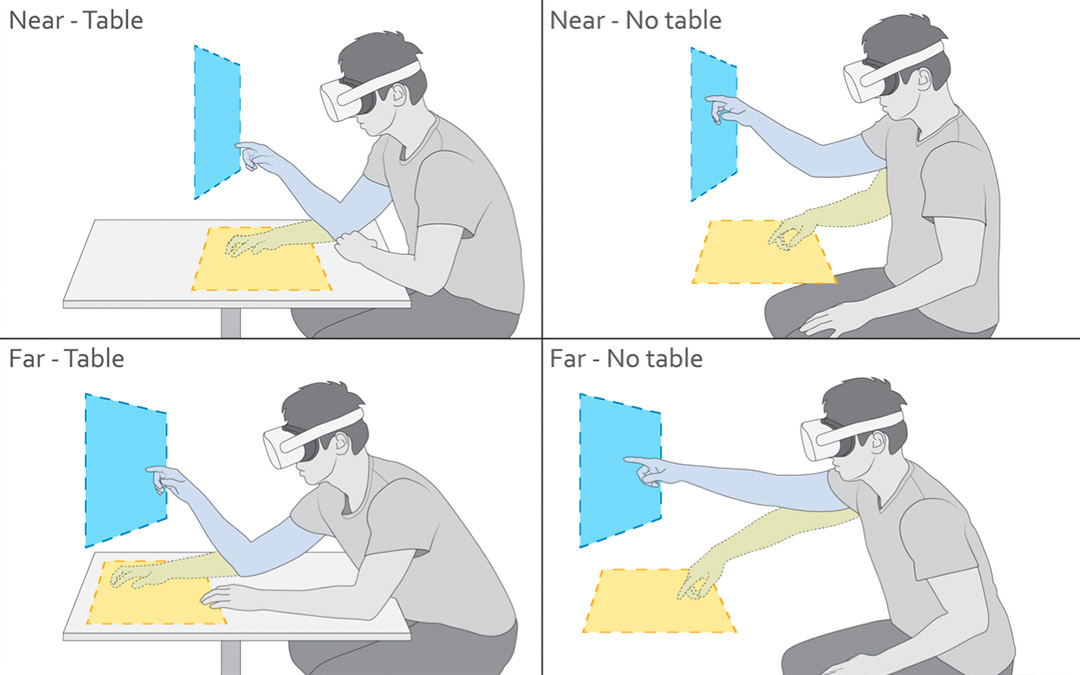
Controllers or Bare Hands?
ComforTable User Interfaces
Demographic & Behavioral Correlates of Cybersickness
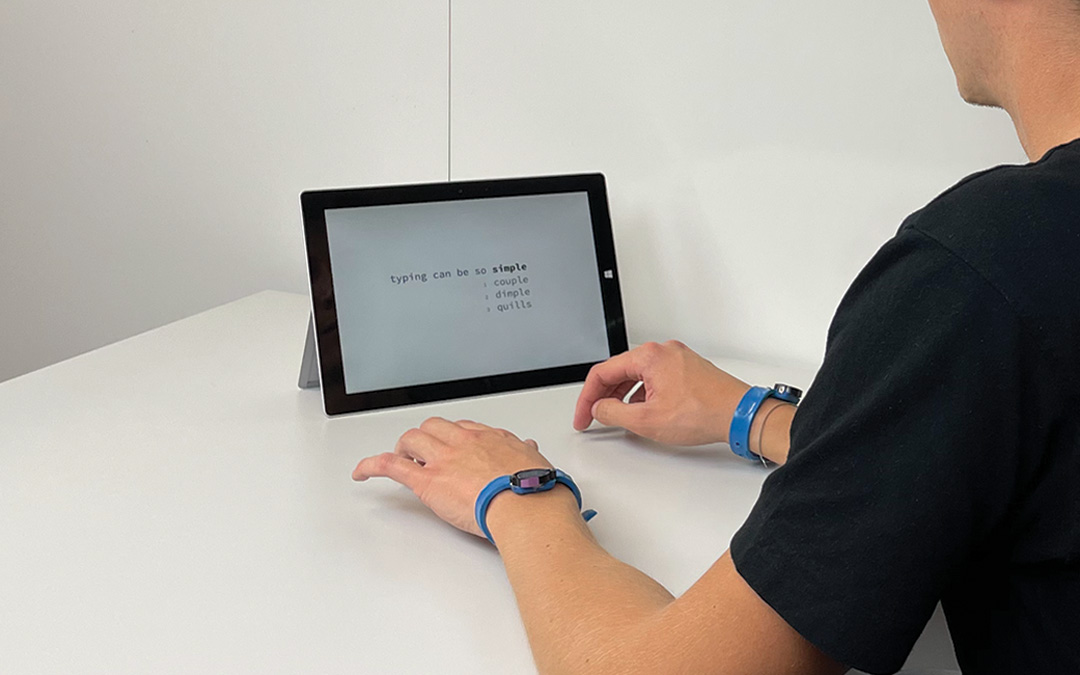
TapType
Understanding Multi-Device Usage Patterns
Understanding Touch
Digital biomarkers
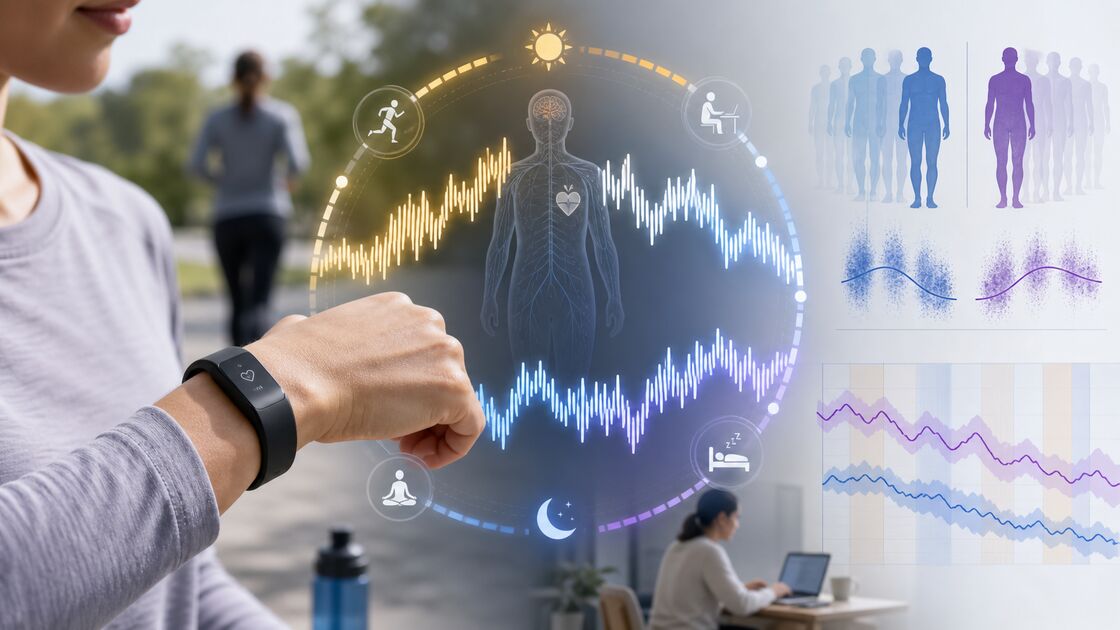
Mobile and wearable sensing methods for measuring health, sleep, fatigue, physiology, and affective state.
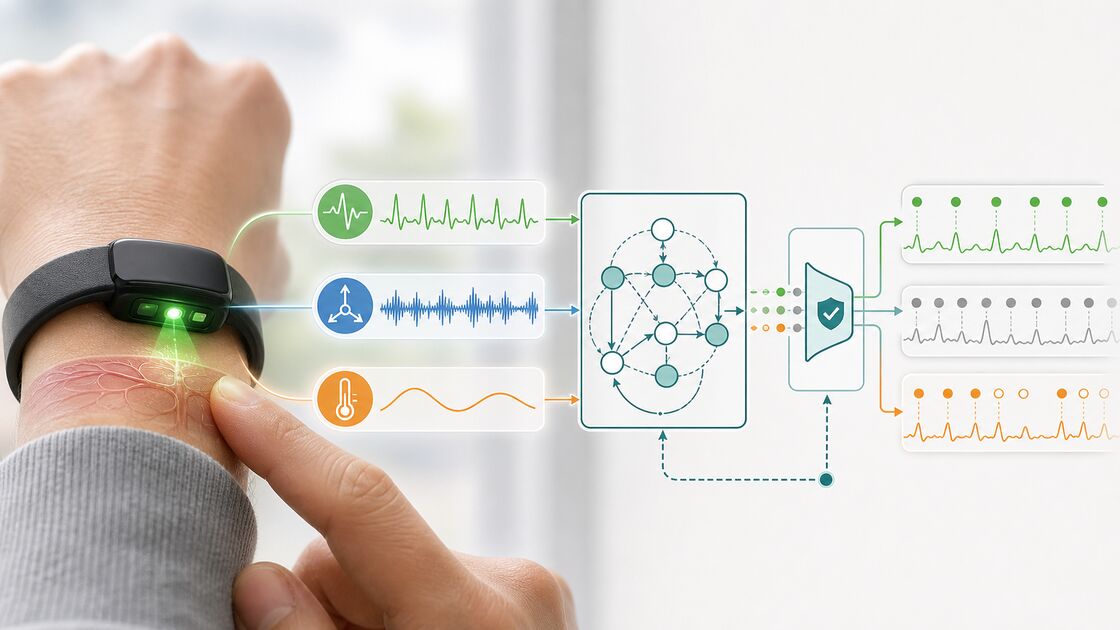
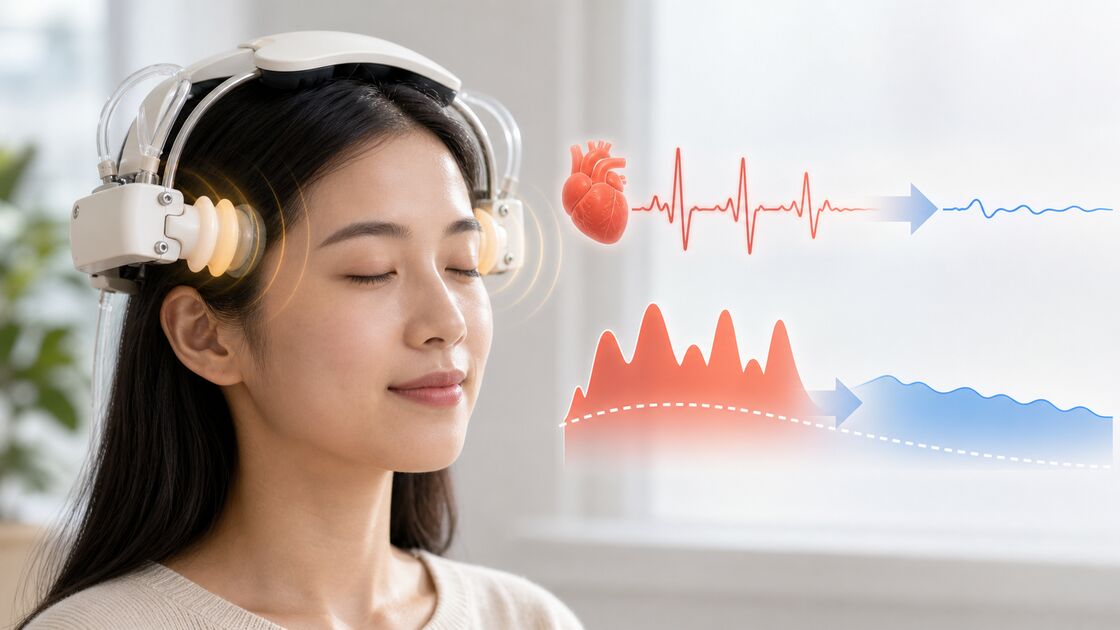
Heart Rate Variability Estimation
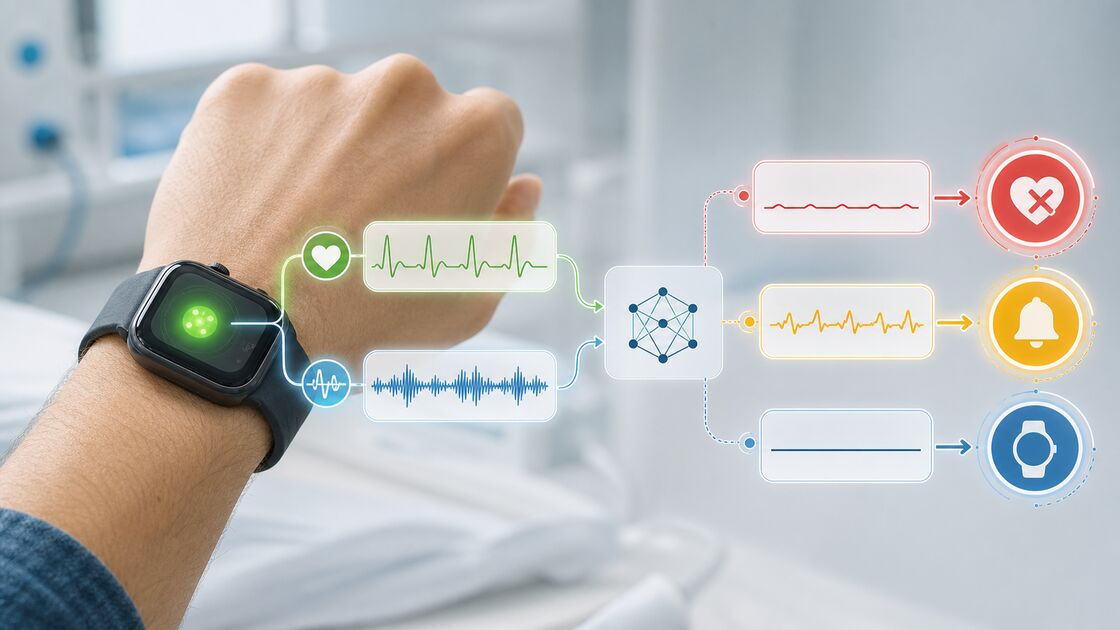
Loss of Pulse Detection
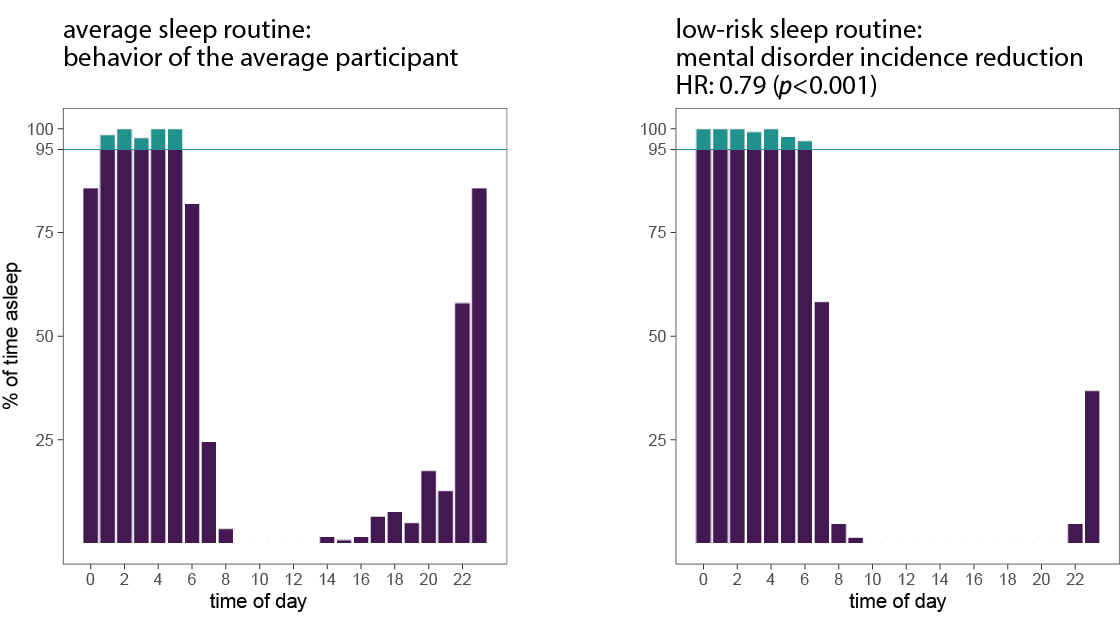
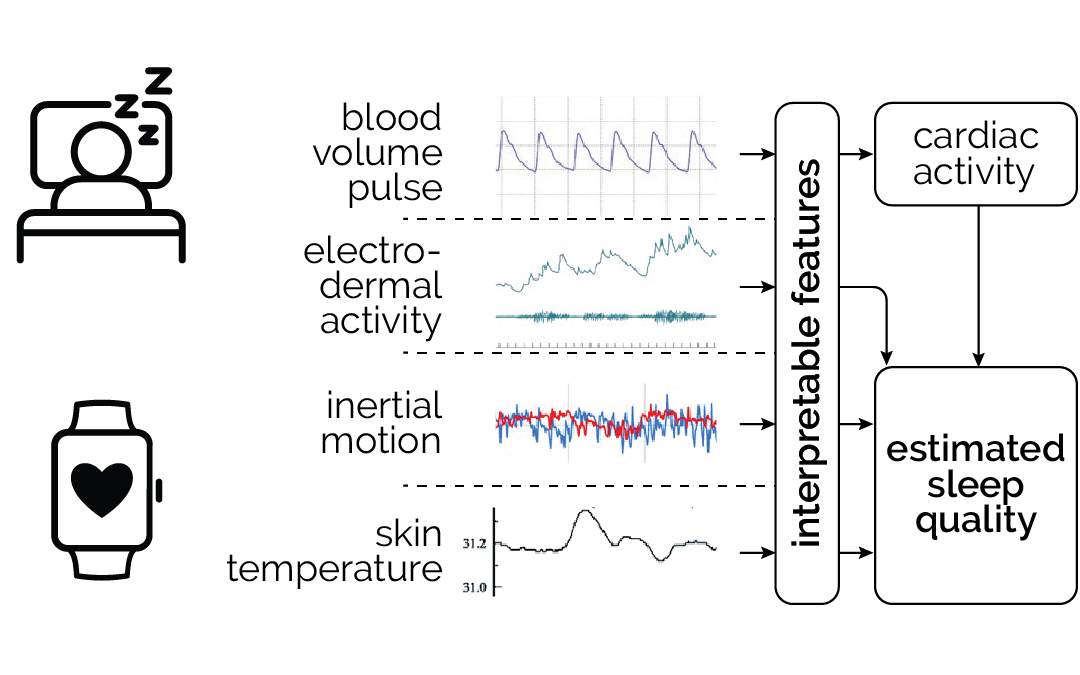
Beyond the hours slept
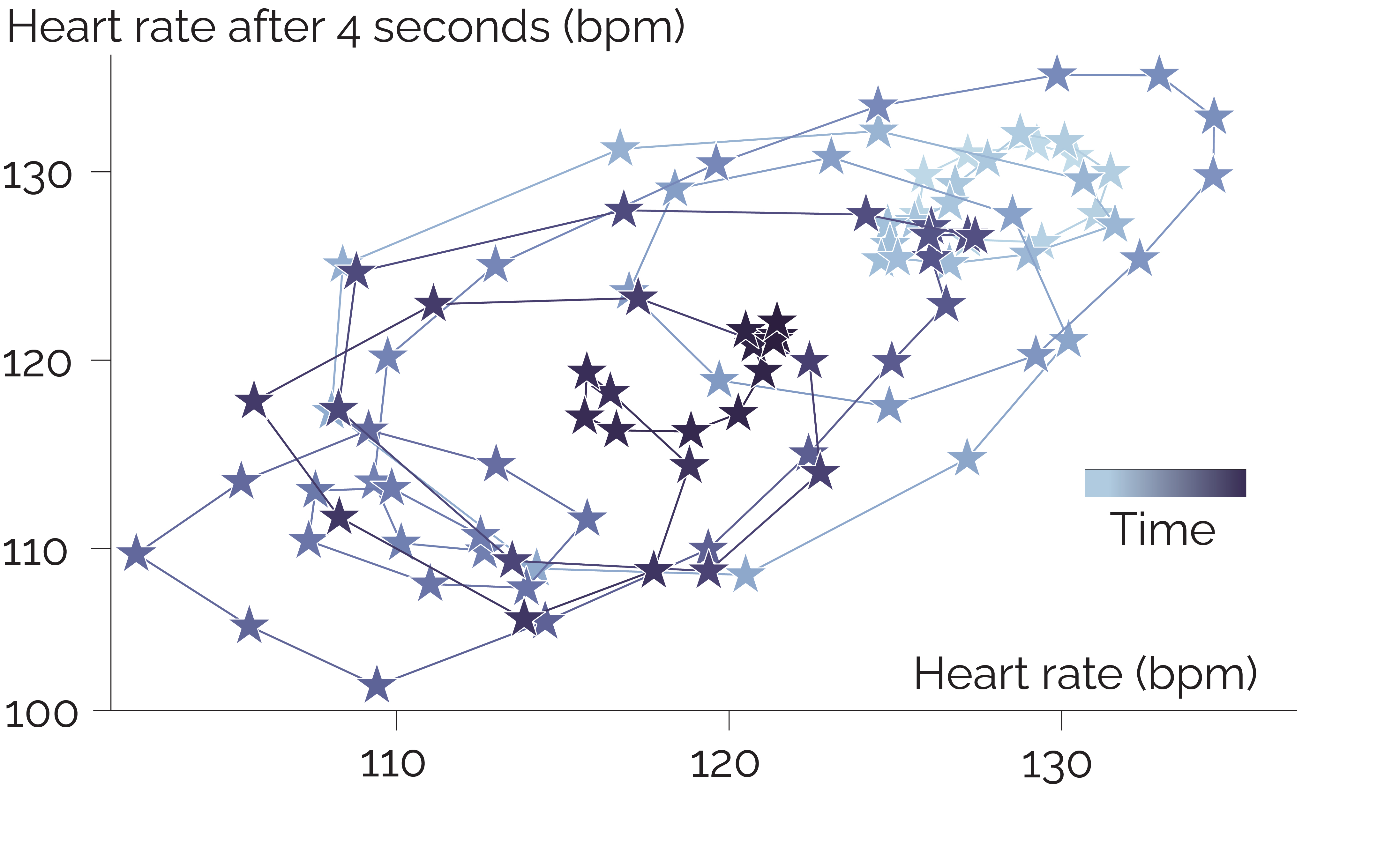
Learning Heart Rate Patterns
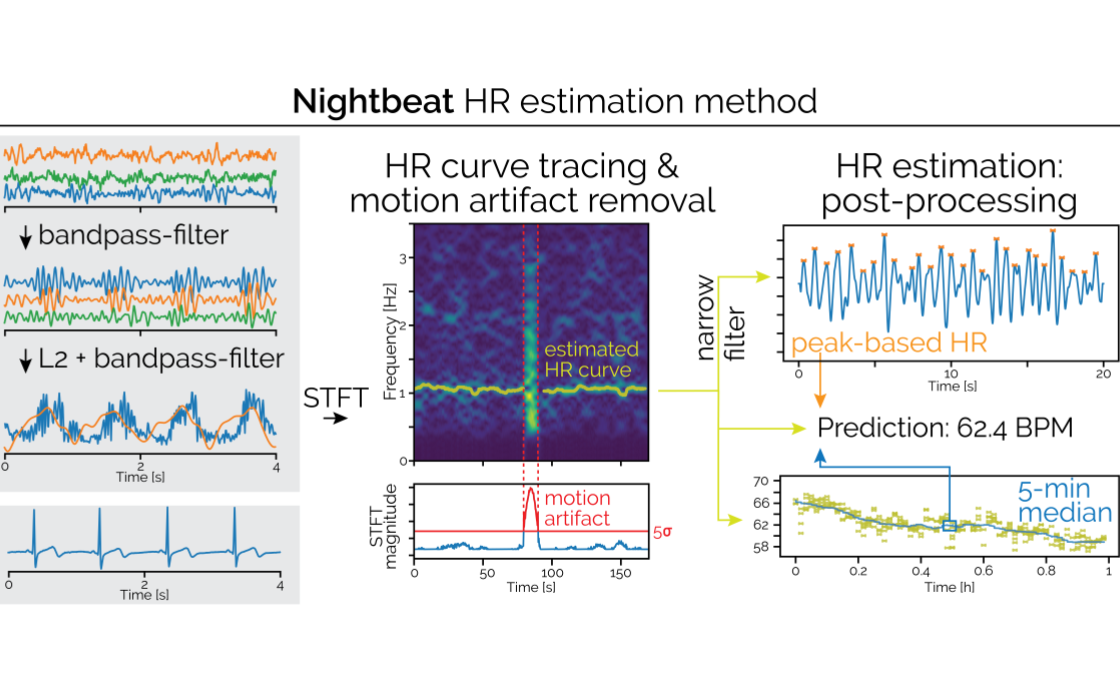
Nightbeat
WildPPG
SympCam
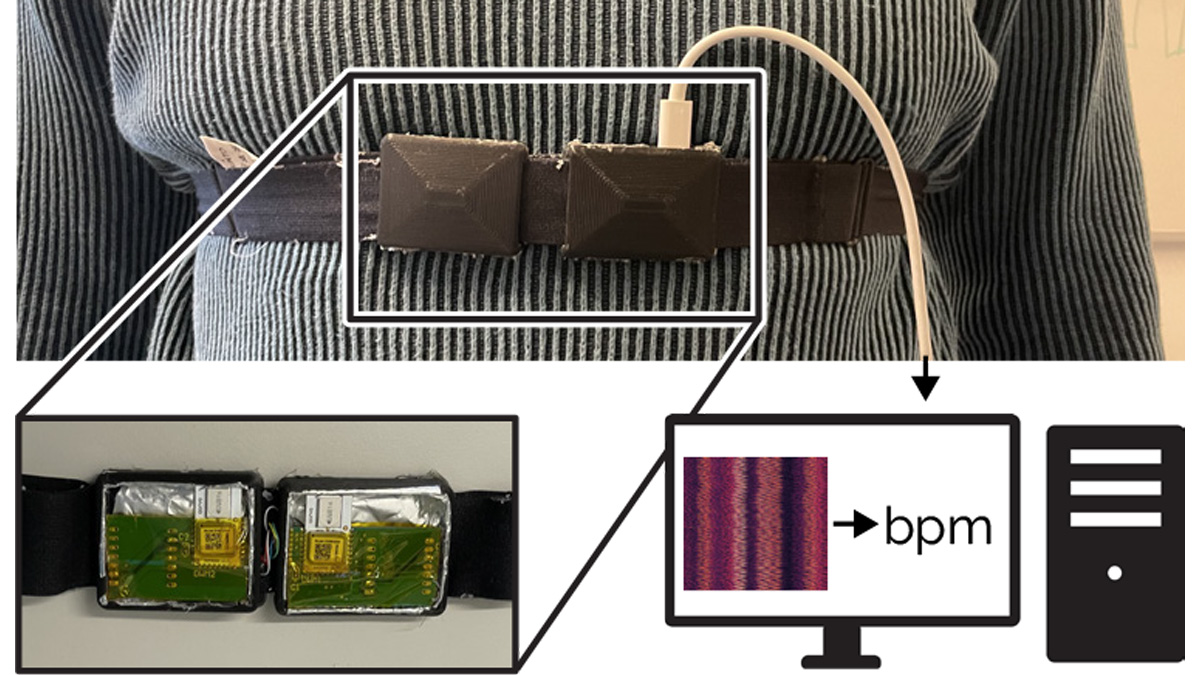
Respiro
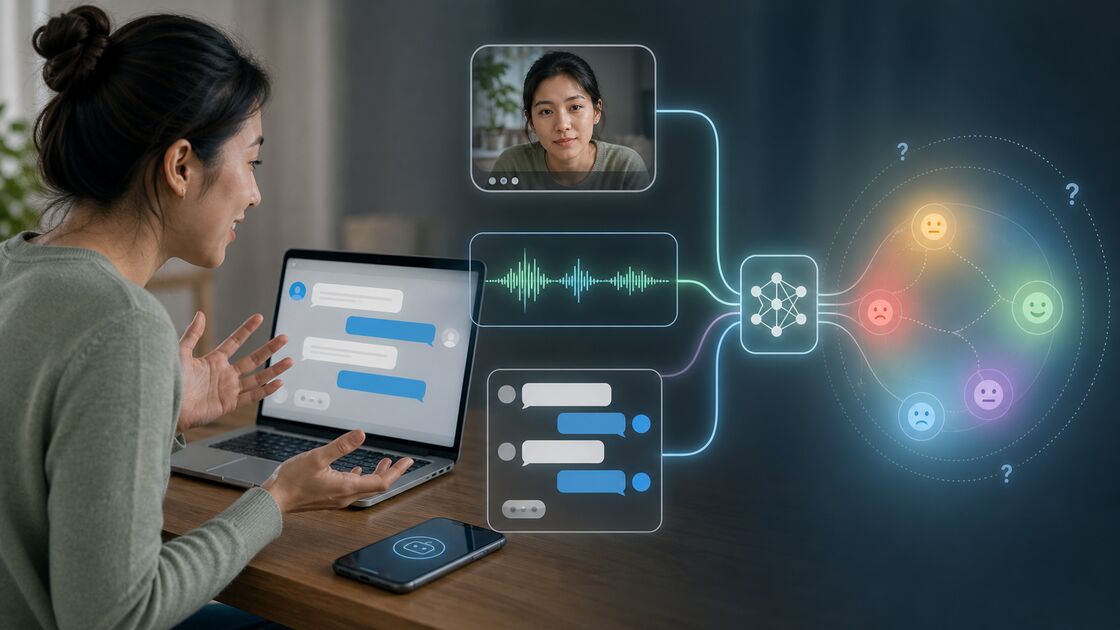
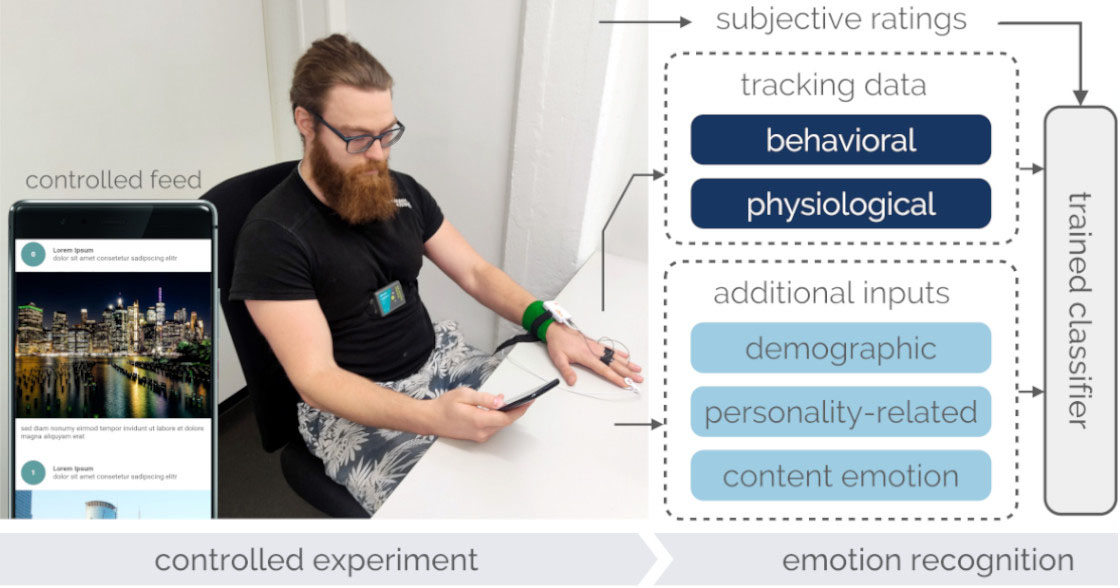
Emotion Recognition for Chatbots
Tri-Spectral PPG
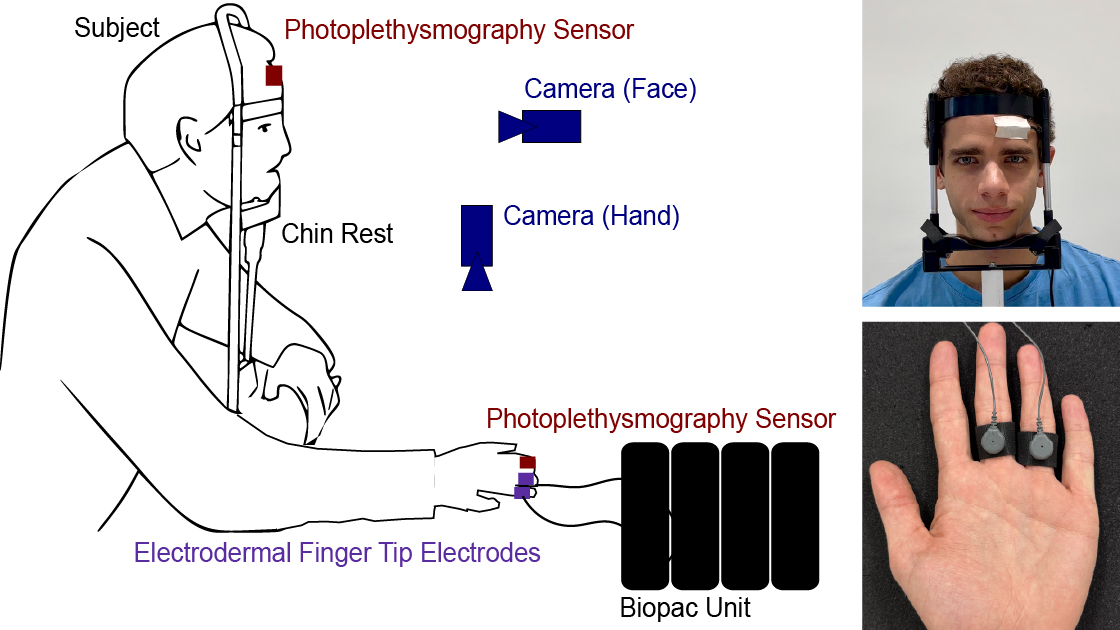
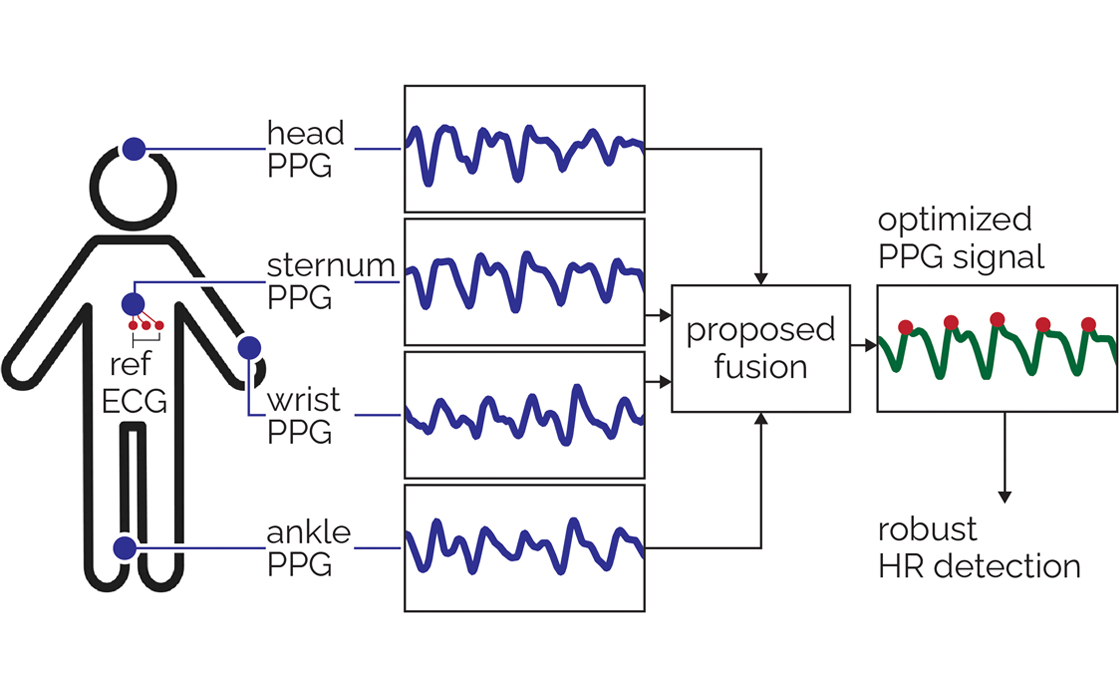
Multi-Site Photoplethysmography
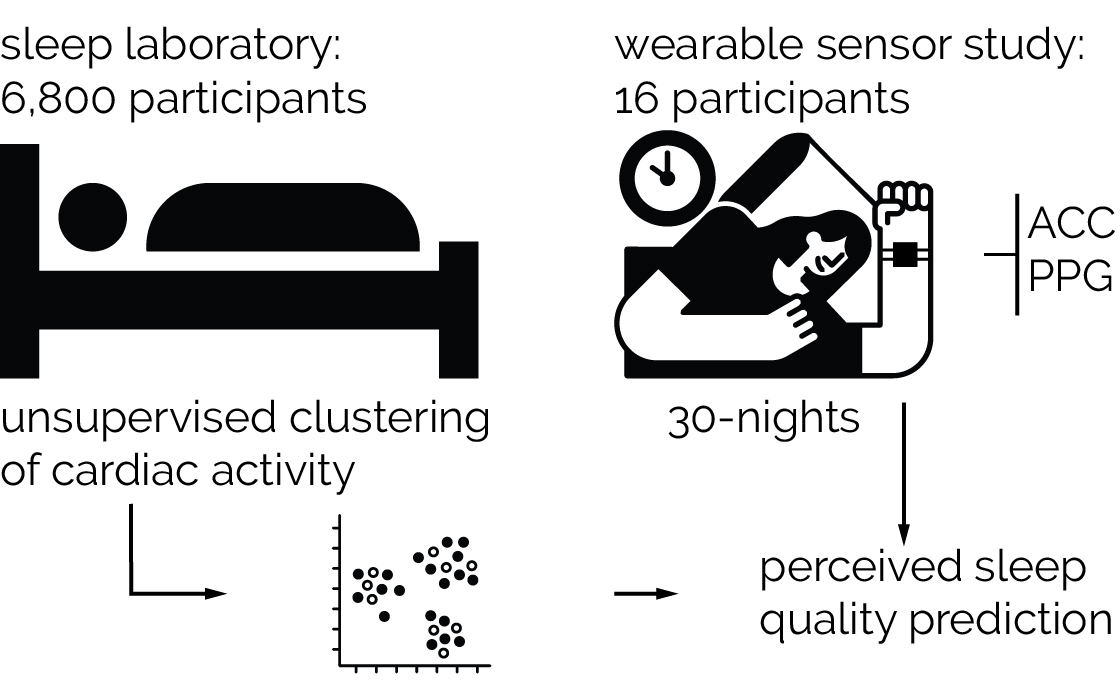
Unsupervised Sleep Quality Estimation
Predicting Perceived Sleep Quality
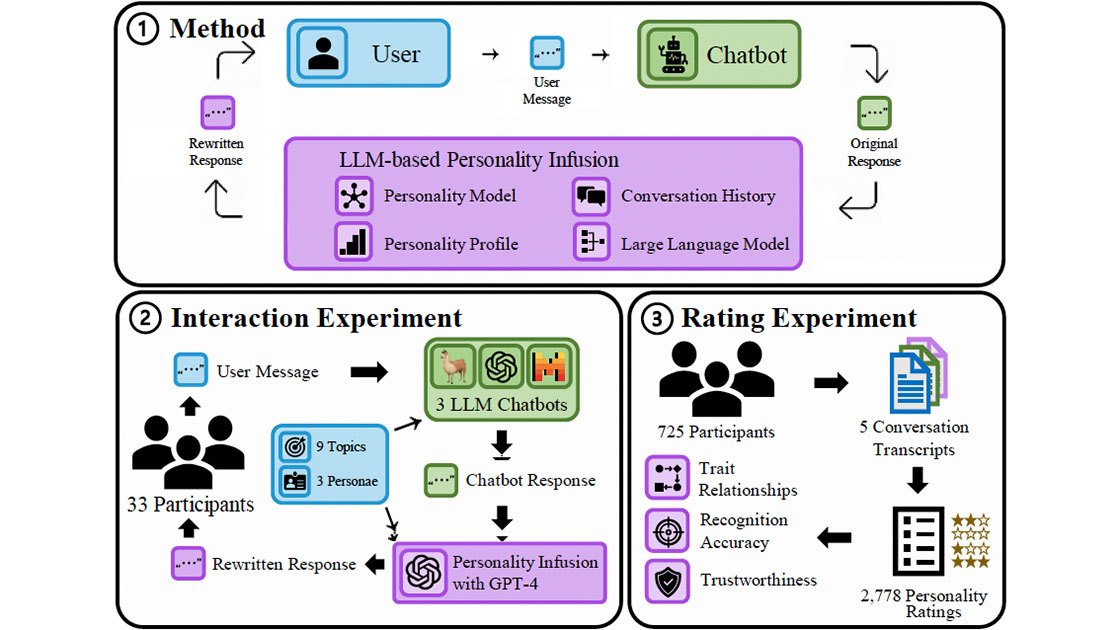
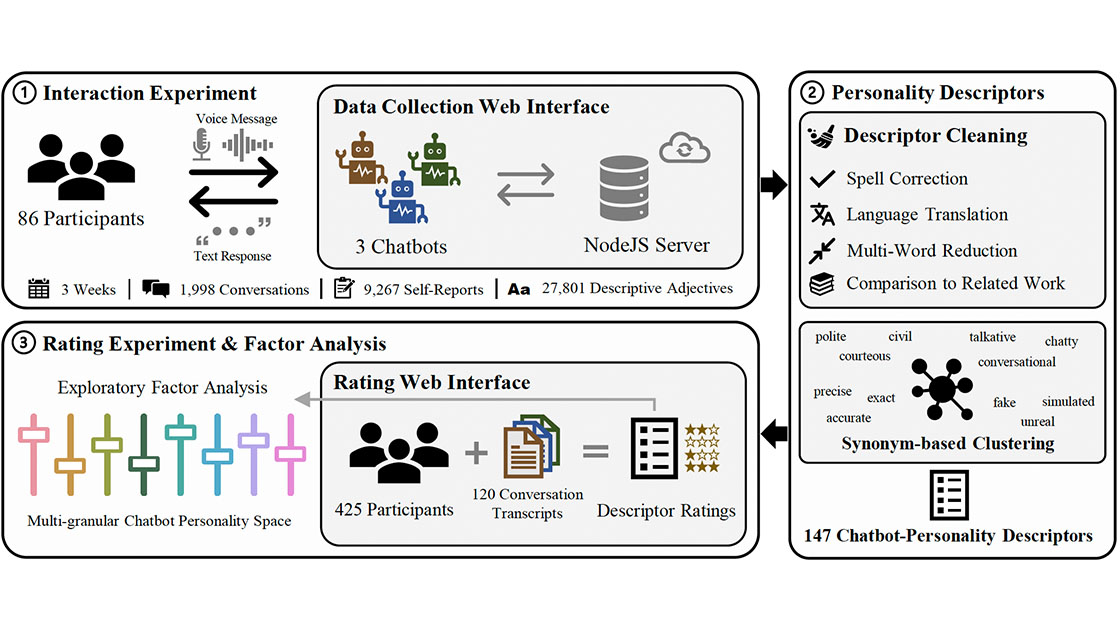
Chatbots With Attitude
GPT-3's Personality Dimensions
Detecting Users' Emotional States
MiBOT
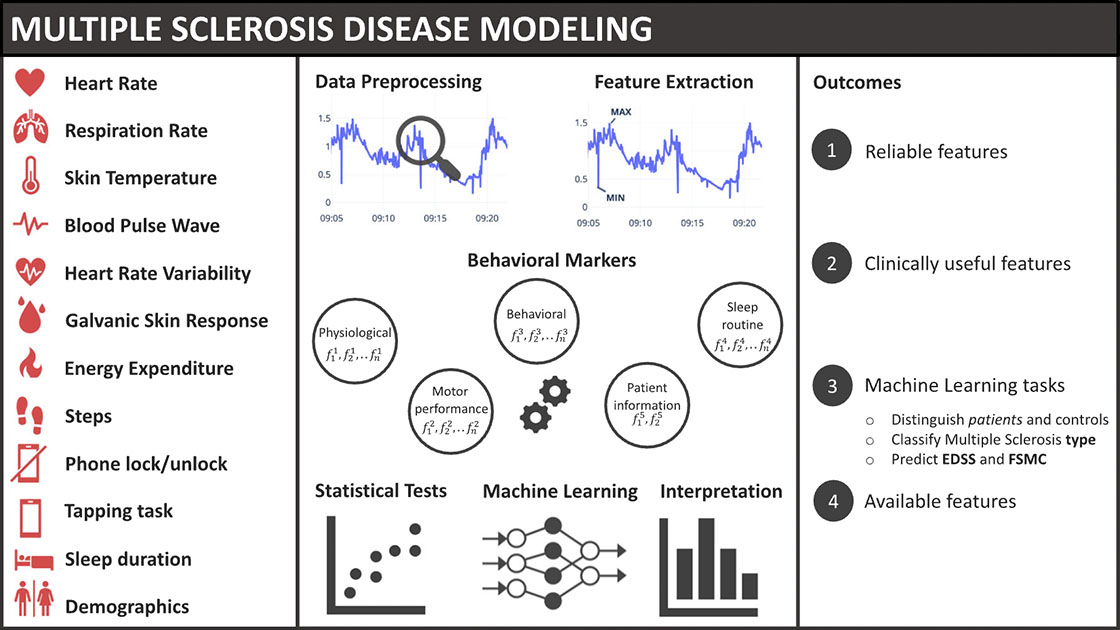
Modeling Multiple Sclerosis
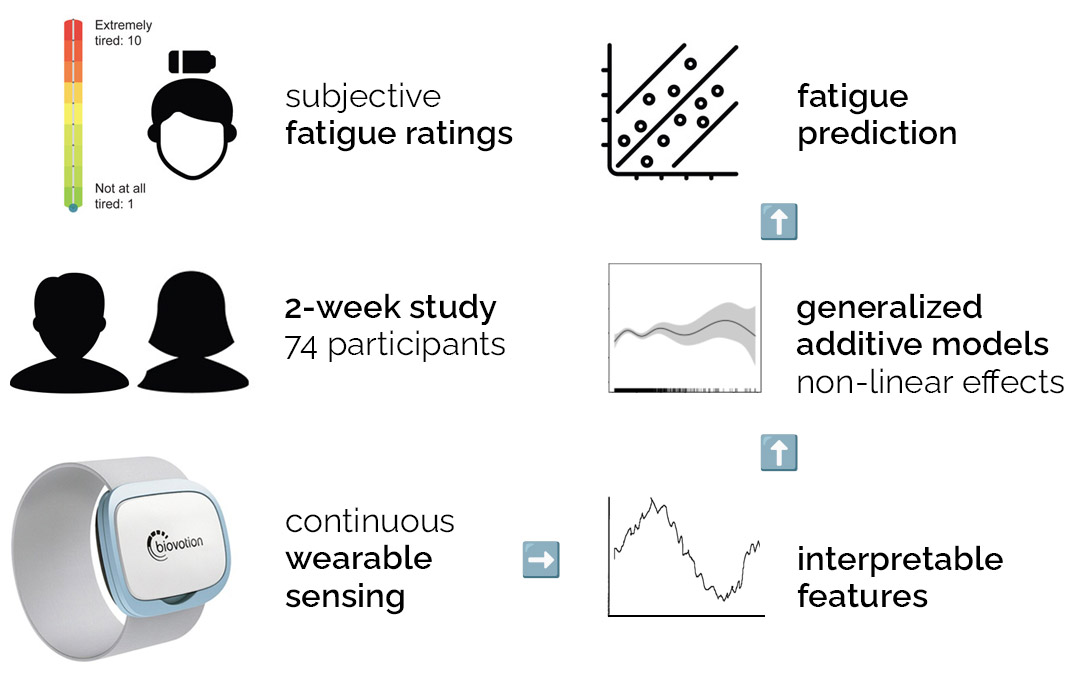
Biomarkers for daily fatigue
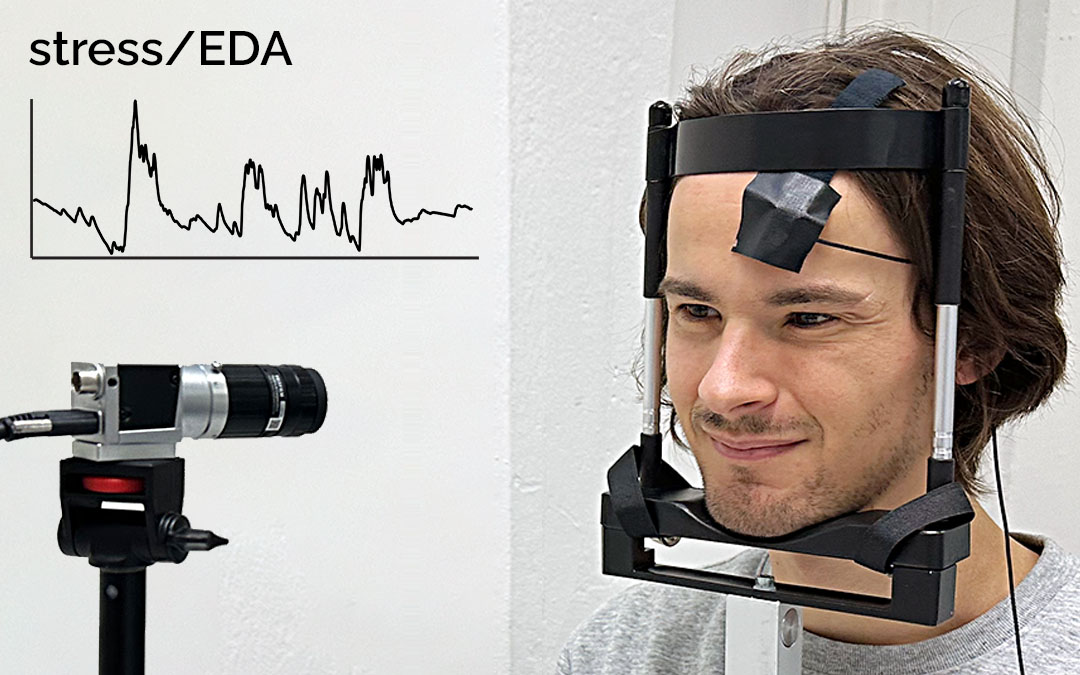
Video-based Sympathetic Arousal
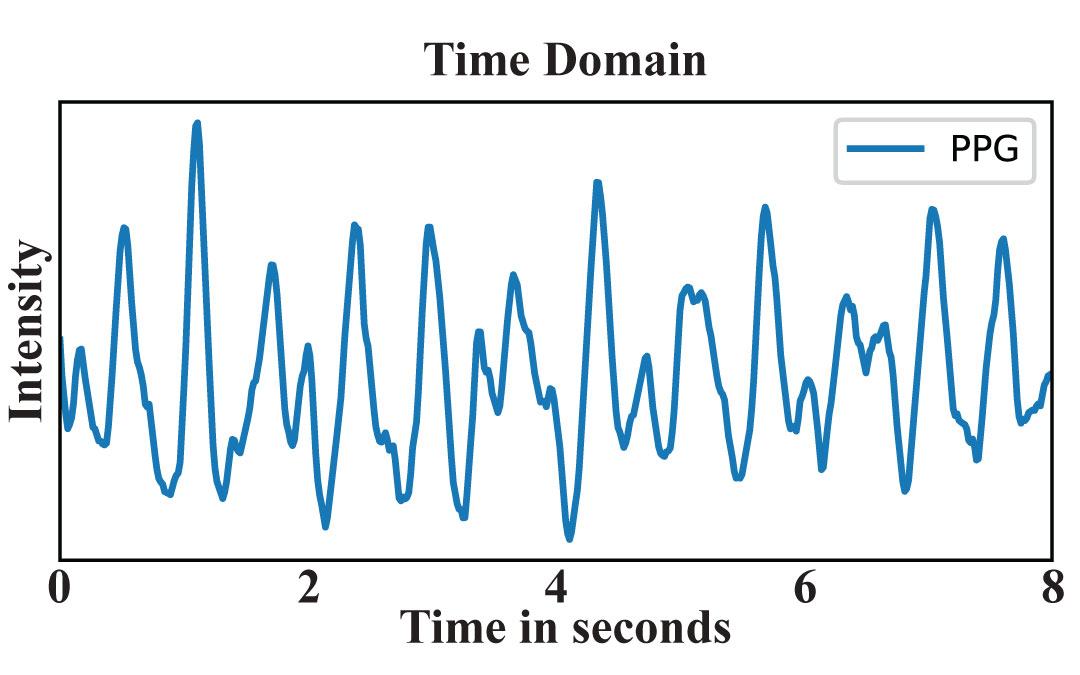
BeliefPPG
Personality Trait Recognition in the Wild
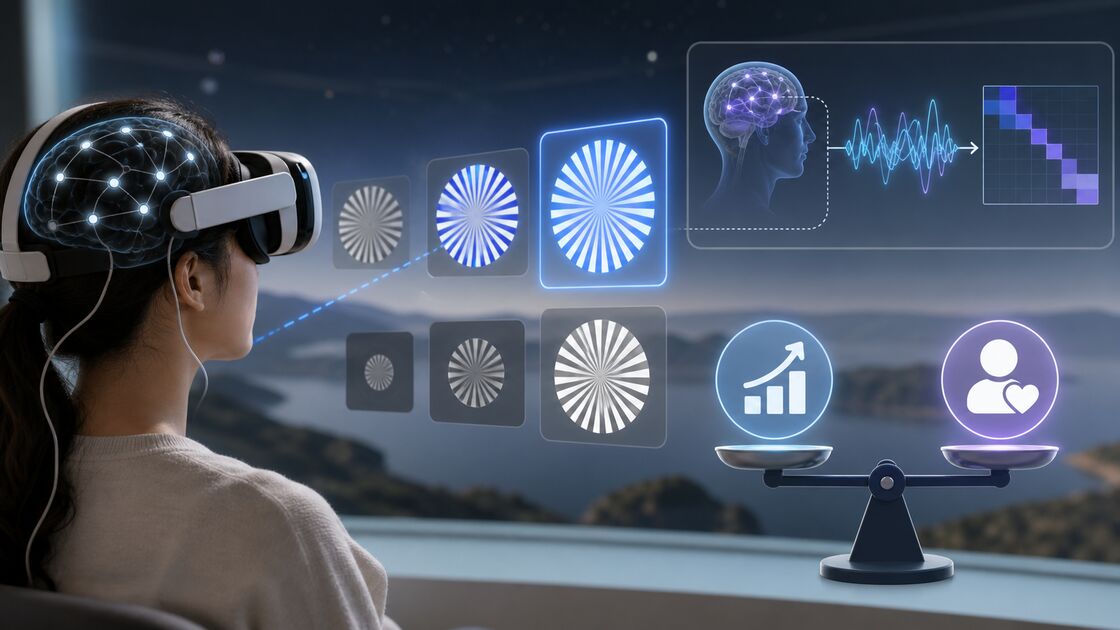
SSVEP Visual Stimuations vs. User-Friendliness in Virtual Reality
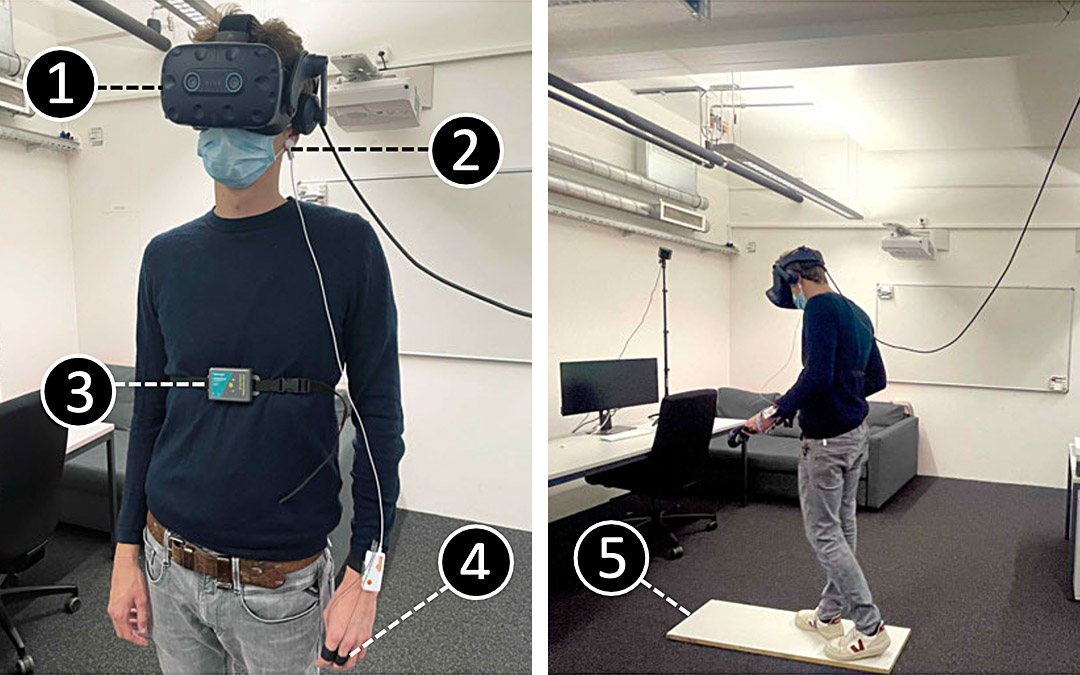
Physiological Responses to Fear, Frustration, and Insight
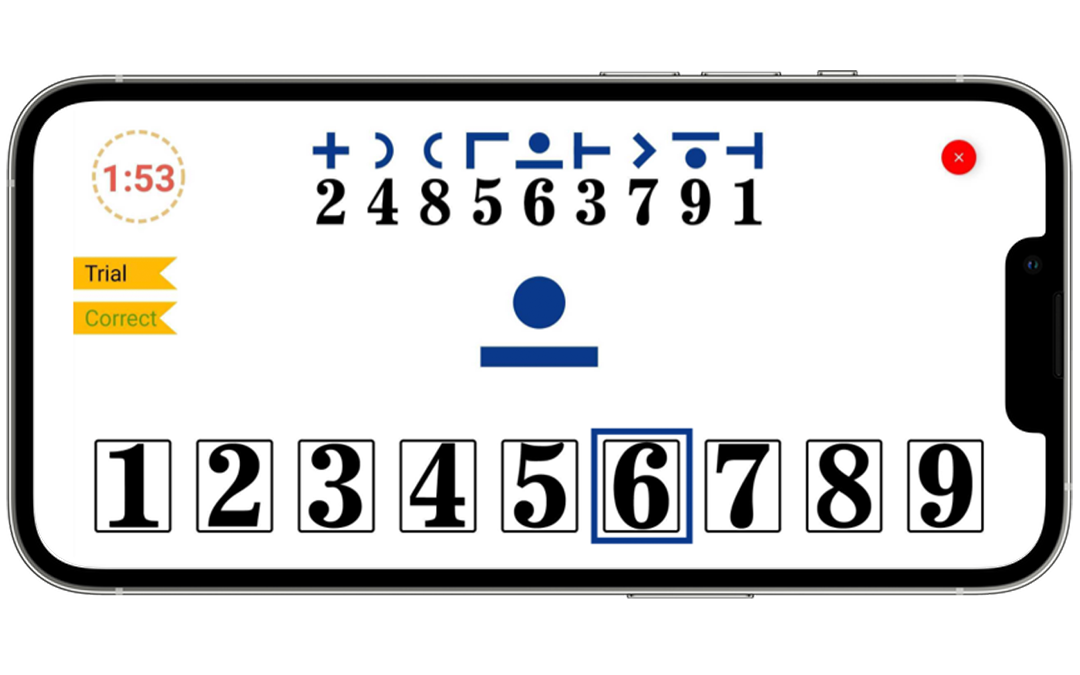
Cognitive Fatigability Assessment Test
Autonomic dysfunction in Multiple Sclerosis
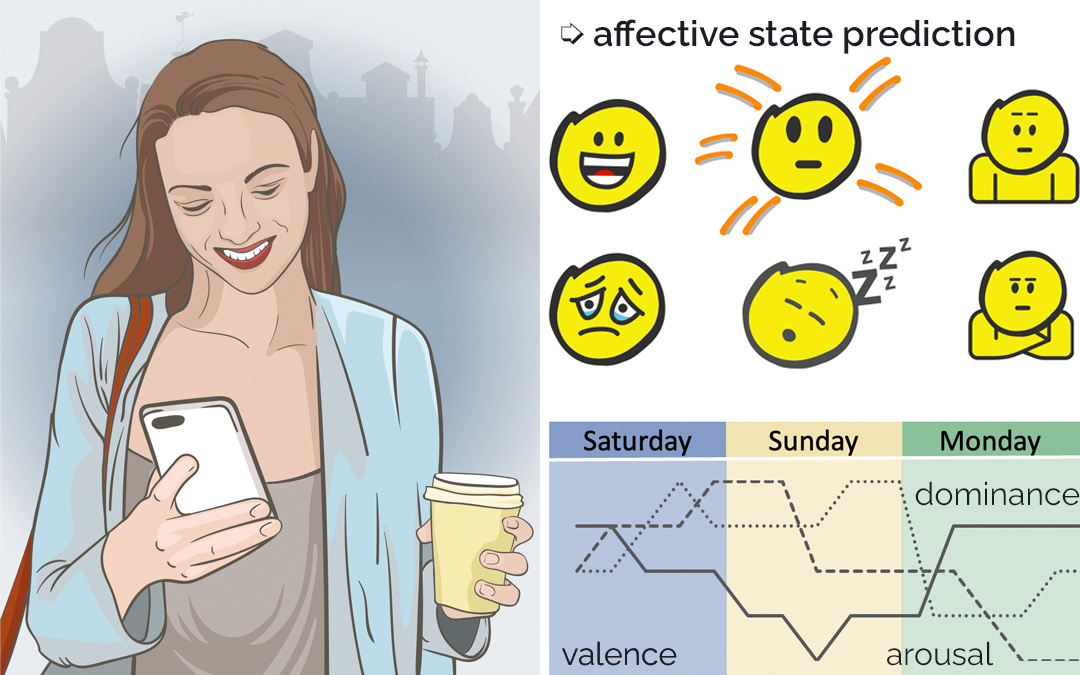
Affective State Prediction
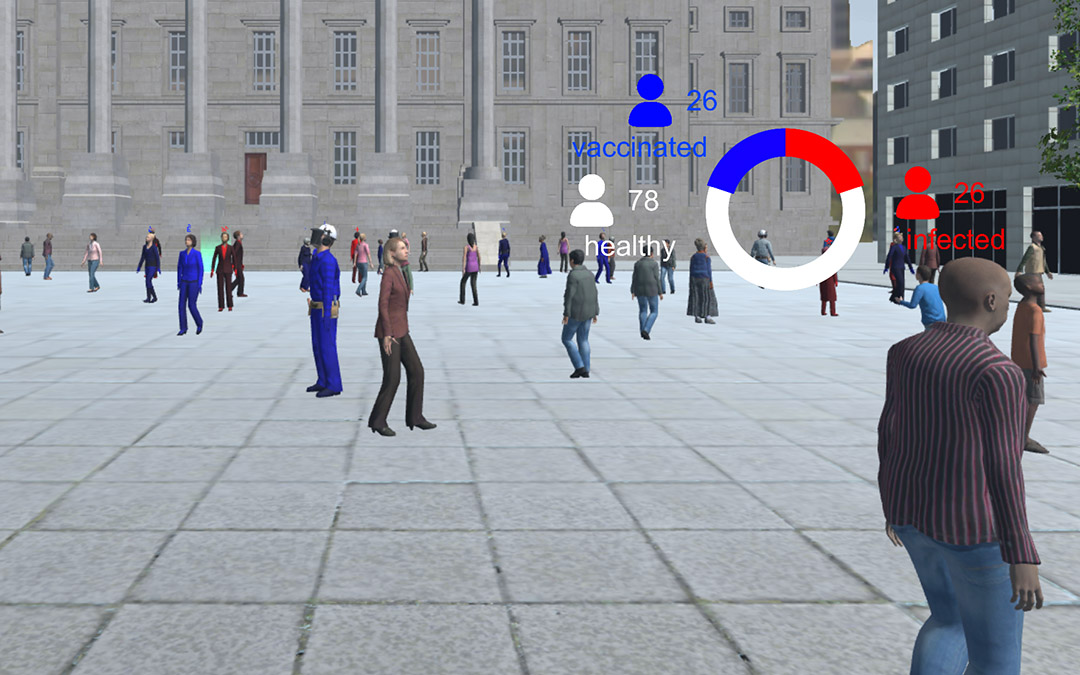
Virtual reality reduces COVID‑19 vaccine hesitancy
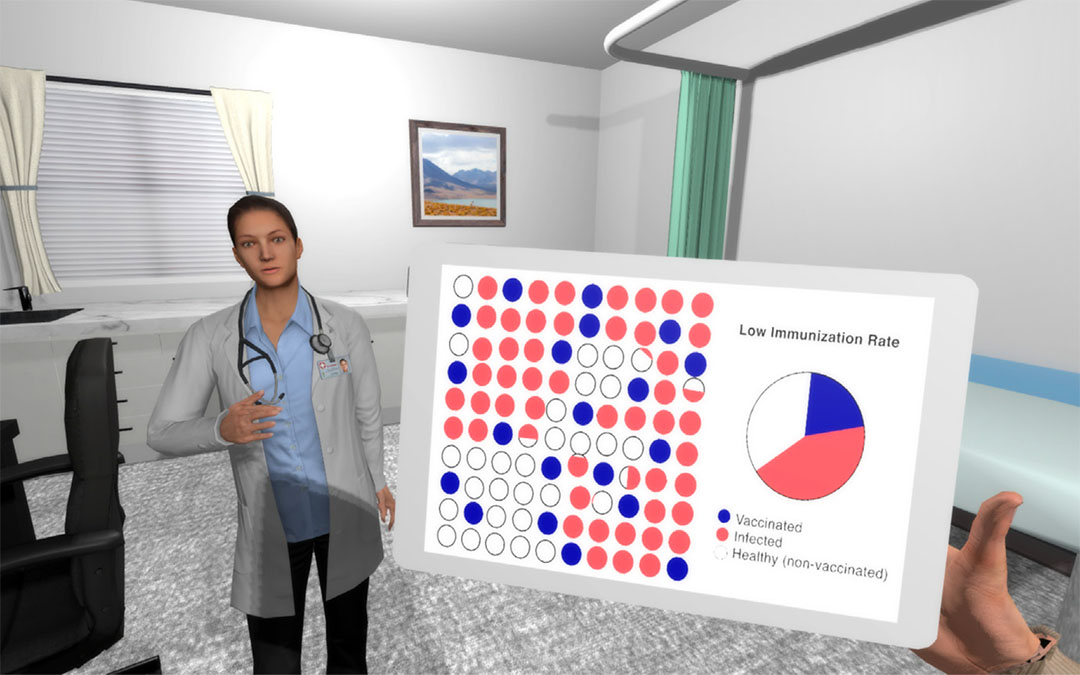
A self-administered virtual reality intervention increases COVID-19 vaccination intention
Predicting Fatigue from Fatigability
The Effect of Vibratory Stimuli
Assessing Fatigability in Multiple Sclerosis Patients
Naptics
Smartphone Pulse Oximetry
Glabella
DualBlink
Sensor ML
Machine learning methods for robust inference from sensor signals, time series, and multimodal observations.
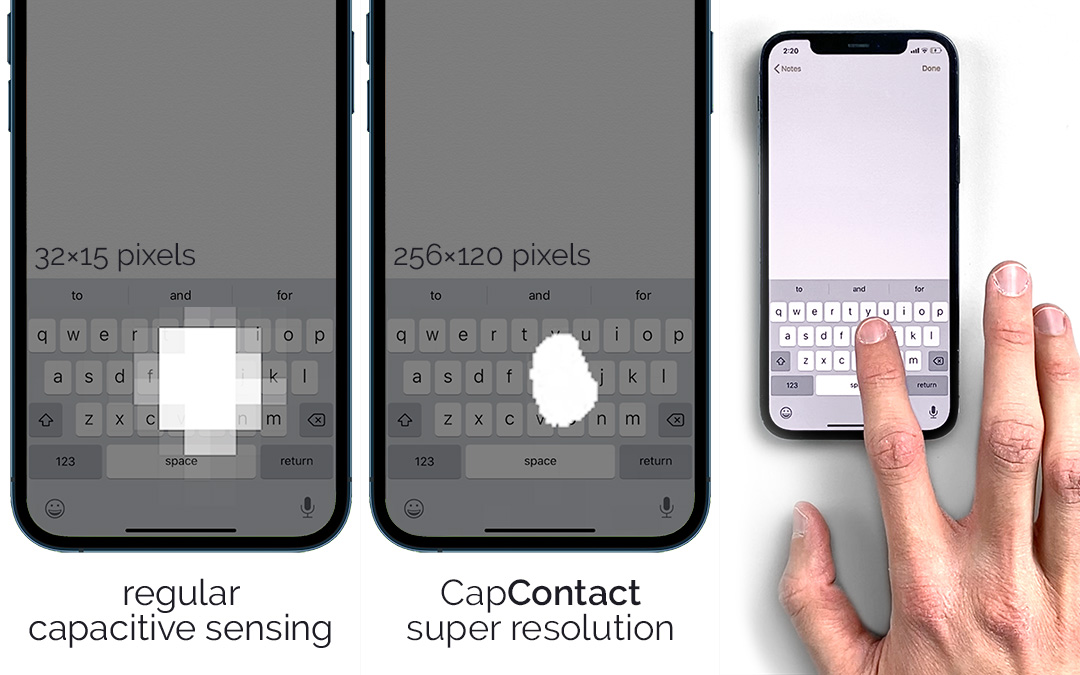
μDPad
Contimask
Learning Without Augmenting
Shifting the Paradigm
Unsupervised Periodicity Detection in Time Series
Quasi-periodic Data Augmentation